
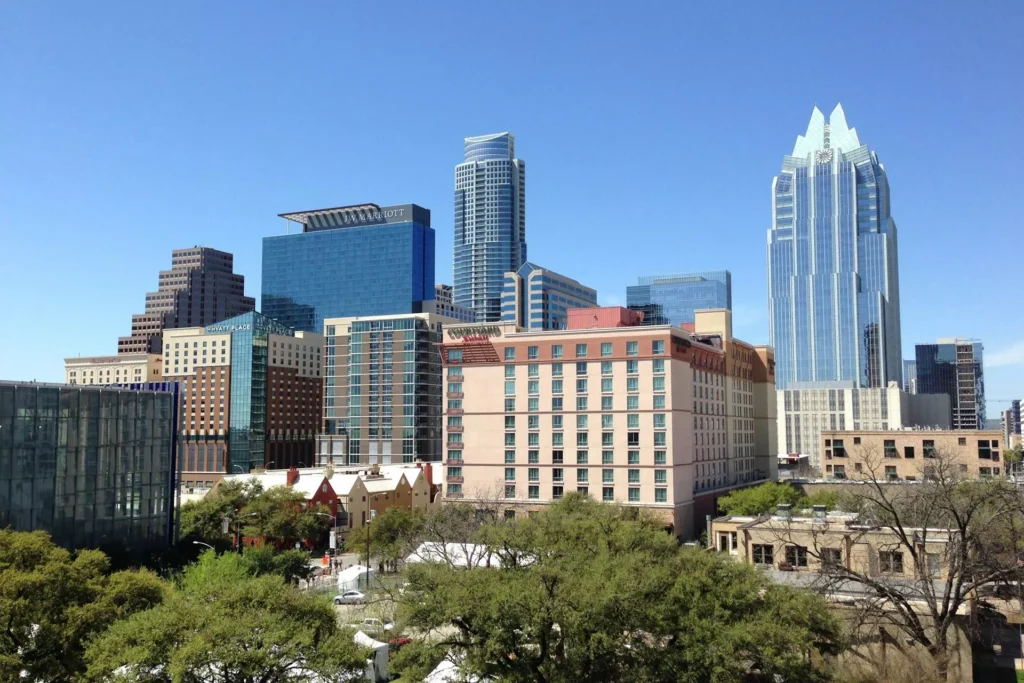
Moving to Texas has become one of the biggest relocation trends in the United States, with hundreds of thousands of people arriving each year for jobs, housing, and lifestyle. Families, professionals, and businesses are drawn by Texas’s strong economy, relatively affordable homes, and diverse cities ranging from high-energy urban centers to quiet suburbs and small towns.
This guide explains everything you need to know about moving to Texas, including cost of living, best cities, moving logistics, and how a professional moving partner can support your relocation. It is written for people relocating from other states, as well as those moving within Texas to fast-growing metros like Austin, Dallas–Fort Worth, Houston, and San Antonio.
Why People Are Moving to Texas
Texas combines a large, diversified economy with relatively low taxes and a wide range of lifestyle options. From tech jobs in Austin to energy and healthcare in Houston, finance in Dallas, and military and tourism in San Antonio, the state offers opportunities across many sectors.
Strong, Diverse Economy
Texas has one of the largest state economies in the U.S., powered by energy, technology, manufacturing, logistics, healthcare, and professional services. Major corporations have relocated or expanded operations into Texas in recent years, bringing high-paying jobs and supporting a strong small-business ecosystem. This economic diversity helps cushion local markets during national downturns.
Lower Taxes and Business-Friendly Environment
Texas has no state income tax, which is particularly attractive to individuals moving from high-tax states. Instead, the state relies more on sales and property taxes, which means take-home pay can be higher even when some local costs rise. The regulatory and business environment is also known for being friendly to startups, entrepreneurs, and expanding companies.
Relatively Affordable Housing
While home prices have increased in major metros over the last decade, many parts of Texas still offer more square footage and land for the money compared with coastal states. Suburbs around Dallas–Fort Worth, Houston, and San Antonio often provide newer homes, good schools, and community amenities at prices that are more accessible to first-time buyers and growing families than in many other large states.
Space, Culture, and Lifestyle Variety
Texas covers a vast area, with landscapes that include Hill Country, prairies, pine forests, desert regions, and coastline along the Gulf of Mexico. Cities offer strong identities: Austin is known for live music and tech; Houston for diversity and food; Dallas for business and arts; San Antonio for history and family-friendly neighborhoods. This variety allows movers to choose a lifestyle that fits them, whether urban, suburban, or rural.
Best Cities and Regions in Texas
When moving to Texas, choosing the right metro or region is one of the most important decisions. Each major area has its own job markets, housing profiles, school districts, and cultural feel.
| City / Region | Best For | Key Features | General Cost Level |
|---|---|---|---|
| Austin | Tech professionals, creatives, young families | Strong tech sector, live music, festivals, Hill Country access, vibrant food scene | Medium to high; housing costs above state average |
| Dallas–Fort Worth (DFW) | Corporate professionals, families, commuters | Major corporate HQs, large airport hub, suburban master-planned communities, strong schools in many suburbs | Medium; wide range of price points by suburb |
| Houston | Energy, healthcare, international professionals | Energy and medical hubs, major port, diverse food, large international community | Medium; relatively affordable housing for a large metro |
| San Antonio | Families, military, history lovers | Historic River Walk, military bases, tourism, slower pace than Austin or Dallas | Medium to low; often more affordable than Austin and DFW |
| Houston & Gulf Coast Suburbs | Industry workers, port & logistics | Access to refineries, ports, and the Gulf; mix of suburban and industrial areas | Low to medium; varies by suburb and flood risk |
| West Texas (Midland, Odessa, Lubbock) | Energy sector, students, lower density | Oil and gas jobs, universities, open landscapes | Lower overall costs but more cyclical job markets |
| Hill Country (Round Rock, Georgetown, New Braunfels) | Families, remote workers, retirees | Scenic landscapes, small-city feel, close to Austin or San Antonio | Medium; rising prices in popular commuter towns |
When targeting “moving to texas” as a focus keyphrase, this section can naturally support internal links to pages like Long Distance Movers, Residential Moving, and specific service pages for major Texas cities on your site.
Cost of Living When Moving to Texas
Cost of living is a major factor for anyone moving to Texas. While the state is generally more affordable than many coastal areas, costs have risen in popular metros, and property taxes can be higher than newcomers expect.
Housing and Property Taxes
Home prices vary widely between and within metros. Austin and central neighborhoods in Dallas have seen strong appreciation, while many outer suburbs still offer more budget-friendly options. Property taxes in Texas often range from around 1.5% to over 2.5% of assessed value annually, which can be a shock for movers from low-tax property states. Balancing purchase price, tax rate, and school district is crucial when choosing where to live.
Renting vs. Buying
Renters in cities like Austin, Dallas, and Houston will see higher monthly costs in central, walkable neighborhoods and newer luxury buildings, with more modest prices in older properties and outlying suburbs. Many people moving to Texas rent for six to twelve months first to learn the area before buying a home. This approach can make it easier to compare commutes, schools, and local amenities before committing.
Utilities, Transportation, and Everyday Costs
Texas summers are hot, which means air conditioning is a major component of utility bills, especially in larger homes. Electricity costs depend on local providers and usage, and many areas offer the ability to shop among retail electricity plans. Most residents rely on cars due to limited public transit, so fuel, insurance, and tolls should be part of your monthly budget. Groceries, dining out, and services are generally near or slightly below national averages, depending on the city.
Planning Your Move to Texas
An organized plan will make moving to Texas smoother, whether you are relocating from another state or shifting between Texas cities. Think in terms of timeline, moving services, legal changes, and settling into your new community.
Choosing When to Move
Spring and fall often provide the most comfortable weather for moving, with milder temperatures and fewer storms. Summer moves can be more challenging due to heat and the risk of afternoon thunderstorms, especially in central and eastern Texas. If you must move in summer, schedule loading and unloading in the morning or evening and plan for extra hydration and protection for heat-sensitive belongings.
Selecting Professional Moving Services
For interstate relocations into Texas, working with licensed, insured movers is essential. Look for companies experienced with long-distance moves who can handle packing, loading, transportation, and unloading at destination. If your move includes specialty items like pianos, artwork, or heavy equipment, confirm that your movers offer the right equipment and expertise. A good partner will also provide clear estimates, transparent fees, and realistic delivery windows.
Legal and Administrative Tasks
After moving to Texas, you will need to update your driver’s license, vehicle registration, and voter registration. Most newcomers are required to obtain a Texas driver’s license within a set period after establishing residency, and vehicles must pass safety and, in some counties, emissions inspections. Remember to update your address with banks, insurance providers, employers, schools, and government agencies so records and tax documents reach you correctly.
Setting Up Utilities and Local Services
Electricity, water, gas, internet, and waste collection should all be arranged before your move-in date. Texas has a deregulated electricity market in many areas, allowing you to shop for retail providers and plans that fit your usage and budget. Internet service varies by provider and region, so research availability and speed options for your new address. If moving to a single-family home, consider lawn care, pest control, and HVAC maintenance contracts to keep your home in good condition year-round.
What to Expect After Moving to Texas
Adjusting to life in Texas means adapting to the climate, learning local culture, and exploring the opportunities your new state provides.
Adapting to the Weather
Texas weather varies significantly by region, but summers are hot across most of the state, with temperatures often exceeding 95°F and high humidity in eastern areas. Winters are generally mild, though northern regions can experience occasional ice storms. Severe weather, including tornadoes and flooding, can occur, so staying informed through local alerts and having an emergency plan is important. Most residents invest in reliable air conditioning, proper insulation, and weather-resistant roofing.
Understanding Texas Culture
Texas has a distinct identity shaped by its history, size, and diversity. Residents take pride in the state’s independence, entrepreneurial spirit, and community values. Social life often revolves around high school and college sports, barbecue and Tex-Mex food, live music, and outdoor activities. Each city and region has its own flavor, so take time to explore local traditions, festivals, and neighborhoods to find where you feel most at home.
Building Your Network
Meeting people and building connections in a new state takes effort. Join local groups, attend community events, volunteer, or participate in professional associations and hobby clubs. Many neighborhoods have active homeowners associations and social media groups that help newcomers get oriented. For families with children, schools and youth sports leagues provide natural opportunities to connect with other parents.
How Direct Pro Logistics Supports Your Move to Texas
Moving to Texas from another state or relocating within Texas requires professional coordination to ensure your belongings arrive safely and on time. Direct Pro Logistics specializes in long-distance and local Texas moves, offering services that reduce stress and protect your possessions throughout the journey.
- Interstate Moving Expertise: Experienced crews manage the logistics of cross-country moves, including route planning, timing, and compliance with regulations.
- Comprehensive Packing Services: Professional packing protects fragile and valuable items while maximizing efficiency during loading and unloading.
- Flexible Storage Options: If your new Texas home is not ready when your belongings arrive, secure storage facilities provide a safe interim solution.
- Transparent Pricing: Clear, detailed quotes help you budget for your move without worrying about surprise fees or hidden charges.
- Customized Service for Every Need: Whether you are moving a small apartment, a large family home, or specialty items like pianos and antiques, services are tailored to your situation.
On Direct Pro Logistics, link this section to your Long Distance Movers, Residential Movers, Packing Services, and Warehousing & Storage pages.
FAQ: Moving to Texas
1. Is moving to Texas a good decision?
For many, yes. Texas offers job opportunities, no state income tax, diverse cities, and relatively affordable housing compared to coastal states. However, consider property taxes, summer heat, and severe weather risks when making your decision.
2. What is the cheapest city to move to in Texas?
Smaller cities and towns in East Texas, West Texas, and parts of the Rio Grande Valley often have the lowest cost of living. Among major metros, San Antonio and Houston suburbs tend to be more affordable than Austin or Dallas.
3. How much does it cost to move to Texas?
Long-distance moving costs depend on distance, home size, and services. Expect to pay between $2,000 and $8,000 for a full-service interstate move, with higher costs for larger homes or cross-country relocations from states like California or New York.
4. Do I need to worry about severe weather in Texas?
Texas experiences tornadoes, severe thunderstorms, flooding, and occasional ice storms. Stay informed through local weather alerts, have an emergency kit ready, and know your evacuation routes if you live in flood-prone areas.
5. How do property taxes in Texas compare to other states?
Texas property taxes are higher than many states, often ranging from 1.5% to 2.5% of assessed home value annually. This compensates for the absence of state income tax, so budget accordingly when comparing total tax burdens.
6. Can I establish Texas residency quickly?
Yes. Obtain a Texas driver’s license, register your vehicle, register to vote, and update your address with relevant institutions. Maintaining a physical presence in Texas and demonstrating intent to stay will establish residency for legal and tax purposes.
7. How do I get started with my move to Texas through Direct Pro Logistics?
Begin by requesting a free moving quote through your Get a Quote page. Share your current location, Texas destination, move date, and home size. Direct Pro Logistics will provide a detailed estimate and coordinate every step of your relocation, from packing and loading to safe delivery at your new Texas home. Visit the Moving Services or Contact page to start planning your move today.