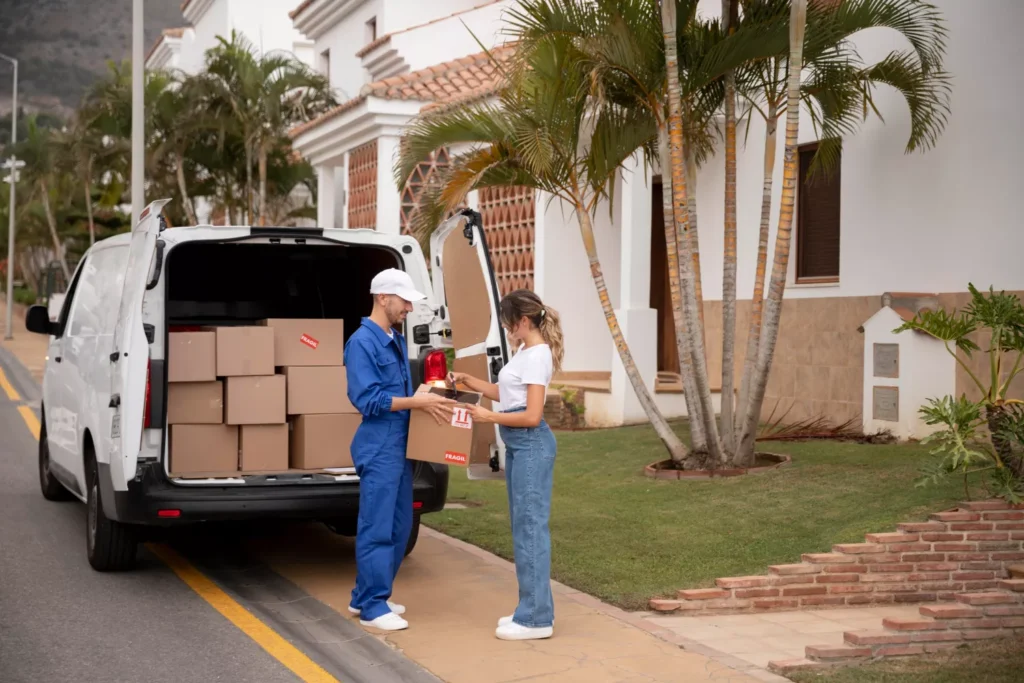

Moving to Denver has become increasingly popular as more people discover Colorado’s combination of strong job markets, mountain access, and over 300 days of sunshine per year. Denver serves as both an urban hub and a gateway to outdoor recreation, making it appealing to professionals, families, and outdoor enthusiasts alike. Understanding what makes Denver unique—from altitude adjustment to neighborhood character—will help you transition smoothly into Colorado life.
This guide covers what you need to know about moving to Denver, including the job market, outdoor lifestyle, best neighborhoods, altitude considerations, and how professional movers make your transition seamless. It is designed for people relocating from other states who want to understand Denver before committing to the move.
Why Denver Is Attracting New Residents
Denver combines economic opportunity with an active lifestyle that is difficult to replicate in most U.S. cities. The metro area has grown rapidly over the past decade, drawing transplants from across the country.
Growing and Diverse Job Market
Denver’s economy extends far beyond oil and gas. The city hosts thriving sectors in technology, healthcare, aerospace, renewable energy, telecommunications, and financial services. Major companies and startups have established headquarters or regional offices in Denver, creating opportunities for professionals across many fields. Remote workers also choose Denver for its quality of life while maintaining jobs based elsewhere.
Unmatched Access to Outdoor Recreation
One of the strongest reasons people cite when moving to Denver is proximity to world-class skiing, hiking, mountain biking, and camping. Major ski resorts are within 90 minutes of the city, and countless hiking trails start within Denver’s city limits. This access allows residents to maintain active lifestyles year-round without extensive planning or travel.
Sunny Weather and Four Seasons
Denver enjoys more annual sunshine than Miami or San Diego, with an average of 300 sunny days per year. The city experiences true seasons, including snowy winters, warm summers, and mild spring and fall months. This climate appeals to people who want seasonal variety without the extreme cold of northern states or the year-round heat of the Southwest.
Vibrant Urban Culture and Breweries
Denver has a thriving arts scene, professional sports teams, live music venues, and one of the highest concentrations of craft breweries in the United States. Neighborhoods like RiNo, LoHi, and the Highlands offer walkable streets filled with restaurants, galleries, and local businesses. This urban energy combined with mountain access creates a unique lifestyle balance.
Best Denver Neighborhoods for New Residents
Choosing where to live when moving to Denver depends on your priorities around walkability, schools, nightlife, and commute access. Each neighborhood offers a different mix of housing, amenities, and community character.
| Neighborhood | Best For | Key Features | General Cost Level |
|---|---|---|---|
| Capitol Hill | Young professionals, urban living | Walkable streets, nightlife, historic architecture, apartments and condos | Medium to high; competitive rental market |
| RiNo (River North) | Creatives, craft beer lovers | Art galleries, breweries, murals, industrial vibe, rapidly developing | Medium to high; gentrifying area |
| LoHi (Lower Highlands) | Professionals, active lifestyle | Trendy restaurants, boutiques, close to downtown, younger demographic | High; premium for walkability and views |
| Cherry Creek | Professionals, luxury seekers | Upscale shopping, fine dining, trail access, affluent neighborhood | High; luxury condos and homes |
| Washington Park (Wash Park) | Families, active individuals | Large park with trails and lakes, tree-lined streets, single-family homes | High; highly desirable family neighborhood |
| Five Points | Budget-conscious, culture seekers | Historic jazz district, diverse community, more affordable, up-and-coming | Low to medium; growing area |
| Stapleton / Central Park | Families, new construction | Master-planned community, parks, pools, newer homes, family-friendly | Medium to high; suburban feel within city |
| Aurora & Suburbs | Affordability, space | More affordable housing, diverse population, growing amenities | Low to medium; budget-friendly option |
When creating content around “moving to denver,” this section naturally supports internal links to pages like Long Distance Movers, Residential Movers, and any Denver-specific service pages.
Understanding Denver’s Altitude and Climate
One unique aspect of moving to Denver is adjusting to life at exactly one mile above sea level. Altitude affects everything from how you feel physically to how you cook and exercise.
Altitude Adjustment Period
Many people experience mild altitude sickness during their first few weeks in Denver, including headaches, fatigue, shortness of breath, and trouble sleeping. These symptoms typically resolve within one to two weeks as your body adjusts. Staying hydrated, avoiding excessive alcohol, and easing into physical activity help speed the adjustment process.
Dry Air and Sun Intensity
Denver’s low humidity means dry skin, chapped lips, and increased static electricity are common. Invest in good moisturizers, lip balm, and a humidifier for your home. The sun is also more intense at high altitude, so sunscreen, sunglasses, and hats are essential year-round, even in winter.
Variable and Rapid Weather Changes
Denver weather can change dramatically within hours. A sunny 70-degree morning can turn into a snowy afternoon in spring or fall. Winters see snow followed by warm, sunny days that melt it quickly. Residents learn to dress in layers and keep extra clothing in their cars year-round.
Cost of Living and Housing Market
Denver’s cost of living has increased significantly over the past decade as the city has grown in popularity. Understanding current costs will help you budget accurately when moving to Denver.
Housing Prices and Rental Rates
As of 2026, median home prices in Denver proper range from around $500,000 to $700,000 depending on neighborhood and home size. Surrounding suburbs often offer more affordable options. Rental prices for one-bedroom apartments typically range from $1,400 to $2,200 per month, with higher costs in popular walkable neighborhoods and lower prices in outer suburbs.
Taxes and Income Considerations
Colorado has a flat state income tax rate, making tax planning straightforward. Property taxes are relatively low compared to many other states, though the combination of state and local sales taxes is higher than average. When evaluating job offers or salaries, factor in the total tax picture along with housing costs.
Transportation and Daily Expenses
Most Denver residents rely on cars due to the metro area’s sprawl, though light rail and bus service connect major corridors. Gas prices are typically near the national average. Outdoor recreation gear, ski passes, and camping equipment become regular expenses for many residents. Groceries and dining costs are comparable to other mid-sized cities.
Embracing the Denver Outdoor Lifestyle
For many people, moving to Denver is as much about lifestyle change as career opportunity. The city’s culture revolves around outdoor activity and mountain access.
Year-Round Outdoor Activities
Denver residents ski and snowboard in winter, hike and mountain bike in summer, and enjoy trail running and rock climbing year-round. Even casual outdoor enthusiasts find themselves drawn into the active lifestyle that defines Colorado culture. City parks, greenways, and mountain foothills provide accessible recreation without needing to travel far from home.
Investing in Gear and Skills
Many newcomers invest in outdoor gear such as hiking boots, ski equipment, camping supplies, and bikes shortly after moving to Denver. Local outdoor retailers, gear swaps, and rental shops help you build a collection without breaking the budget. Consider taking classes or joining outdoor clubs to build skills and meet people who share your interests.
Weekend Mountain Escapes
Weekend trips to mountain towns like Breckenridge, Vail, Estes Park, and Boulder become regular routines for Denver residents. This proximity to nature is a major lifestyle advantage, but it also means planning around traffic, booking accommodations early during peak seasons, and budgeting for gas and activities.
How Professional Movers Support Your Move to Denver
Relocating to Denver from out of state involves coordinating long-distance transport, navigating altitude and weather considerations, and settling into a new city. A professional moving partner simplifies the process.
- Interstate Moving Experience: Movers familiar with routes into Colorado handle mountain passes, weather conditions, and timing for safe delivery.
- Full-Service Packing and Loading: Professional packing protects your belongings from damage and ensures efficient loading and unloading.
- Flexible Storage Options: If your Denver home is not ready, secure storage bridges the gap between move-out and move-in dates.
- High-Altitude Considerations: Experienced movers understand how altitude affects physical exertion and plan crew schedules accordingly.
- Clear Communication and Pricing: Detailed estimates, transparent agreements, and proactive updates keep your move on track from origin to destination.
On your website, connect this section to pages like Long Distance Movers, Packing Services, and any Storage Solutions that support customers moving to Denver.
FAQ: Moving to Denver
1. Is moving to Denver worth it in 2026?
For people who value outdoor access, sunny weather, and strong job markets, Denver offers a compelling lifestyle. However, rising housing costs and altitude adjustment should be factored into your decision.
2. How long does it take to adjust to Denver’s altitude?
Most people adjust within one to two weeks, though full acclimation can take up to three months. Stay hydrated, limit alcohol, and ease into physical activity during your first few weeks.
3. Do I need a car in Denver?
While light rail and buses serve major corridors, most residents find a car necessary for commuting, mountain access, and reaching suburbs. Some central neighborhoods offer walkable, car-free living options.
4. What is the best time of year to move to Denver?
Late spring through early fall offers the most favorable weather for moving. Winter moves are possible but may encounter snow and icy conditions that complicate loading, unloading, and travel.
5. How much does it cost to move to Denver from out of state?
Long-distance moves to Denver typically range from $3,000 to $8,000 depending on distance, home size, and services. Request detailed quotes from licensed movers to compare pricing and services.
6. Are Denver winters difficult?
Denver winters are milder than many northern cities due to abundant sunshine and rapid melting. Snowstorms do occur, but temperatures often warm quickly afterward. Invest in good winter tires and learn to drive in snow.
7. How do I start planning my move to Denver?
Begin by researching neighborhoods, job markets, and housing options. Request detailed moving quotes, sharing your origin, Denver destination, move date, and home size. Professional movers will coordinate packing, transport, and delivery to make your transition to Colorado smooth and stress-free.