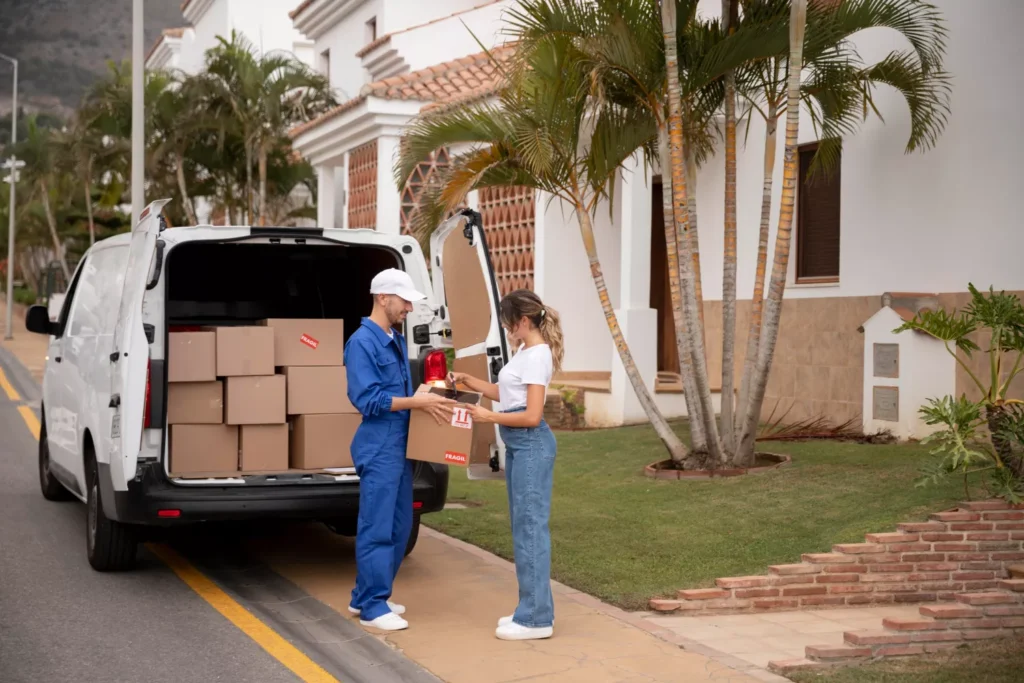

Moving is stressful, but the biggest fear is usually simple: “Will my items arrive safely?” Damage prevention isn’t luck—it’s a system. The safest moves happen when protection is treated as the first priority (before speed, before convenience, before “we’ll figure it out later”). This guide explains how to protect household goods and business items using proven safety habits: smart packing, clear labeling, careful loading strategy, and controlled delivery.
This 2026 playbook is built for anyone planning a local move, long-distance relocation, or interstate move. Use the checklists and frameworks below to reduce breakage risk, avoid preventable scratches/dents, and keep fragile and high-value items protected from door to door.
Safety First: What “Item Protection” Really Means
Item safety is not only about “wrapping everything.” It’s a chain of protection decisions that starts before moving day and continues until the last box is placed in the right room. When one link is weak—poor packing, unclear labels, rushed loading, or careless placement—items become vulnerable.
To set a solid foundation, these Direct Pro Logistics resources connect directly with safety and damage prevention planning:
- Professional Packing Services: Is It Worth the Investment?
- Ultimate Guide to Choosing the Best Moving Company
- Interstate Moving Guide: Everything You Need to Know
- Moving and Storage Solutions: How to Combine Both
The Biggest Causes of Moving Damage (And How to Prevent Them)
Most damage comes from preventable patterns. If you correct these, your risk drops dramatically—even before you hire a mover.
- Overpacked boxes: Split weight, reinforce bottoms, and keep fragile items isolated with padding.
- Under-labeled boxes: If the crew can’t tell what’s fragile or where it goes, it gets handled like a generic box.
- Mixed-priority packing: Putting fragile items with heavy items increases crush risk.
- No protection for furniture surfaces: Corners, legs, and edges get scratched during doorway turns and stacking.
- Rushed loading: Poor load sequencing causes shifting, tipping, and pressure points.
- Delivery-day chaos: When rooms aren’t labeled and pathways aren’t clear, items get dragged, bumped, or stacked incorrectly.
Safety-Focused Service Models (DIY vs Hybrid vs Full-Service)
The right service model depends on the risk profile of your items and how much time you have. If you have fragile or high-value items (glass, antiques, electronics, instruments), a safety-first plan often means using professional packing for the most vulnerable categories.
| Service Model | Safety Strength | What You Must Do | Best Fit |
|---|---|---|---|
| DIY packing + moving labor/transport | Depends on your packing discipline. | Use proper materials, don’t overpack, label fragile items clearly. | Low-fragile inventory and enough time to pack correctly. |
| Hybrid safety plan | Strong protection where it matters most. | Pack low-risk items; identify fragile/high-value categories. | Most households with some fragile items and limited time. |
| Full-service packing + moving | Highest consistency and lowest “DIY error” risk. | Confirm scope, constraints, and priorities. | High-value inventories, tight timelines, or complex homes. |
To decide where professional packing makes sense, use: Professional Packing Services.
Six High-Impact Safety Moves That Prevent Damage
These six actions are the highest-leverage changes you can make to protect items. They work across local moves, long-distance moves, and emergency moves.
Pack fragile items by category (not “wherever they fit”)
Keep glass with glass, dishes with dishes, and wrap items so nothing touches directly. Mixed-category packing creates breakage points.
Label safety-critical boxes clearly
Use “FRAGILE,” “THIS SIDE UP,” and room labels so handling and placement stay controlled from truck to room.
Protect furniture corners and surfaces
Corners and edges are the first failure points. Wrap them and keep hardware (screws/legs) bagged and labeled.
Use hybrid packing for high-risk items
Pack low-risk items yourself, but let pros handle fragile/high-value items when possible. Reference: packing services guide.
Clear pathways and stage boxes
Most dents happen in doorways and tight turns. Clear routes, remove obstacles, and stage labeled boxes by room.
Use storage to avoid rushed delivery risks
If the new place isn’t ready, storage prevents last-minute stacking and forced placement. Use: moving and storage solutions.
Safety Checklist: Before, During, After Moving Day
Before moving day (damage prevention setup)
- Create a “high-risk list” (glass, art, TVs/monitors, instruments, antiques).
- Separate “do not load” valuables and documents (keep with you).
- Stage fragile items in one area so they’re packed consistently.
- Take quick photos of high-value items (condition reference).
- Label boxes with room + “FRAGILE” + “THIS SIDE UP” where relevant.
During loading and transport
- Keep fragile/high-value items together (avoid mixed stacking).
- Confirm the “Open First” boxes stay accessible.
- Do a final sweep: closets, cabinets, drawers, and storage spaces.
- Maintain one point-of-contact to prevent miscommunication.
Delivery day and first week
- Place fragile boxes directly in the correct rooms (no hallway stacking).
- Open and inspect the most fragile items early.
- Stabilize “day one” needs first before deep unpacking.
- Keep move documentation until everything is accounted for.
Direct Pro Logistics: A Safety-First Approach
Direct Pro Logistics is built around a safety-first moving mindset: careful handling, thoughtful loading strategy, and packing discipline designed to reduce preventable damage. The most reliable moves aren’t rushed—they’re controlled, with clear priorities and protection steps at every stage of the relocation.
If your move includes fragile items, high-value pieces, or a tight timeline, the safest path is to align the service level and packing approach early. Start here: Professional Packing Services and Choosing the Best Moving Company.
Frequently Asked Questions (Moving Safety)
1) What is the best way to prevent damage during a move?
Prevent damage by combining proper packing, clear labeling, protected furniture surfaces, and a controlled loading strategy. Most damage comes from rushed packing and unclear handling priorities.
2) Should everything be labeled “fragile”?
No. Labeling works best when it’s accurate. Mark truly fragile items clearly and use “this side up” where orientation matters.
3) Is professional packing worth it for safety?
It’s often worth it for fragile and high-value categories because packing quality is a major driver of damage risk. Use: Professional Packing Services.
4) How do you protect furniture from scratches and dents?
Protect corners and edges, keep hardware bagged and labeled, and ensure pathways are clear so items aren’t bumped through doorways and hallways.
5) What items should not go on the moving truck?
Keep documents, medications, and high-value personal items with you. Treat them as “do not load” essentials.
6) How can storage improve item safety?
Storage can prevent rushed delivery decisions and reduce forced stacking when the new location isn’t ready. See: Moving and Storage Solutions.
7) What should you look for in a mover if safety is your priority?
Look for clear packing standards, careful handling practices, strong communication, and a plan for labeling and placement. Use: Choosing the Best Moving Company.
8) Where can you learn more about interstate move planning?
Start with: Interstate Moving Guide.
About Direct Pro Logistics
Direct Pro Logistics supports local, long-distance, and interstate moves, plus complementary services designed to make relocations more controlled and less stressful. Learn more at About Us and explore Services.
To plan a safety-first move (especially if you have fragile items or tight timelines), reach out via Contact Us. If you’re comparing move types, start with: Choosing the Best Moving Company.