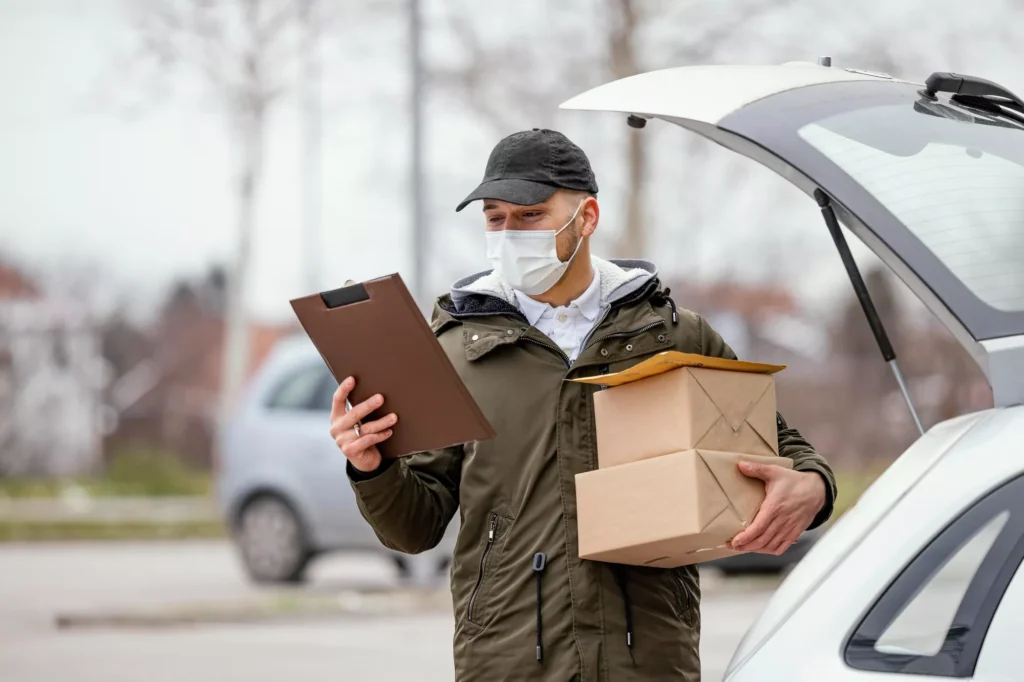
Last mile delivery is the most expensive, complicated, and critical part of shipping—and most customers have no idea it exists until their package is late, damaged, or mysteriously “out for delivery” for three days straight. The “last mile” refers to the final leg of a package’s journey from a distribution center or warehouse to your doorstep, and it accounts for 41–53% of total shipping costs despite being the shortest distance traveled. Why? Because the last mile involves individual addresses, unpredictable traffic, failed delivery attempts, residential areas without loading docks, tight delivery windows, and constant pressure to deliver faster and cheaper. As e-commerce explodes and customer expectations for same-day and next-day delivery become the norm, last mile delivery is the battlefield where logistics companies win or lose.
This comprehensive guide explains everything you need to know about last mile delivery in 2026. You’ll learn what last mile delivery is and why it matters, how the last mile delivery process works step-by-step, why last mile delivery is so expensive and difficult, the biggest challenges facing last mile logistics, proven strategies to optimize last mile delivery and cut costs, emerging technologies transforming last mile operations, and what the future holds for last mile delivery including drones, autonomous vehicles, and micro-fulfillment centers. Whether you’re a business owner trying to improve delivery performance or a consumer curious about why shipping costs so much, this guide gives you the complete picture.
What is Last Mile Delivery?
Last mile delivery refers to the final step of the delivery process when a parcel is moved from a transportation hub, distribution center, or fulfillment warehouse to its final destination—typically a customer’s home or business. Despite the name, the “last mile” can actually range from a few blocks to several miles, depending on the distance between the local hub and the delivery address.
This is the most critical step in the delivery process because it’s the moment when the customer finally receives their order. It’s also the most visible part of the shipping experience—customers remember fast, accurate deliveries and never forget late or damaged ones. In e-commerce, food delivery, and retail industries, last mile performance directly impacts customer satisfaction, repeat purchases, and brand reputation.
Last mile delivery is also the most expensive leg of the journey that goods take to reach their destination, accounting for 41–53% of total supply chain costs. The combination of individual addresses, low package density per stop, traffic congestion, failed deliveries, and rising labor costs makes the last mile a constant challenge for logistics companies.
How Last Mile Delivery Works (Step-by-Step Process)
Step 1: Order Fulfillment
When a customer places an order online, the fulfillment process begins. The order is picked, packed, and prepared for shipment at a warehouse or fulfillment center. The package is then labeled with shipping information and assigned to a carrier.
Step 2: Transportation to Local Hub
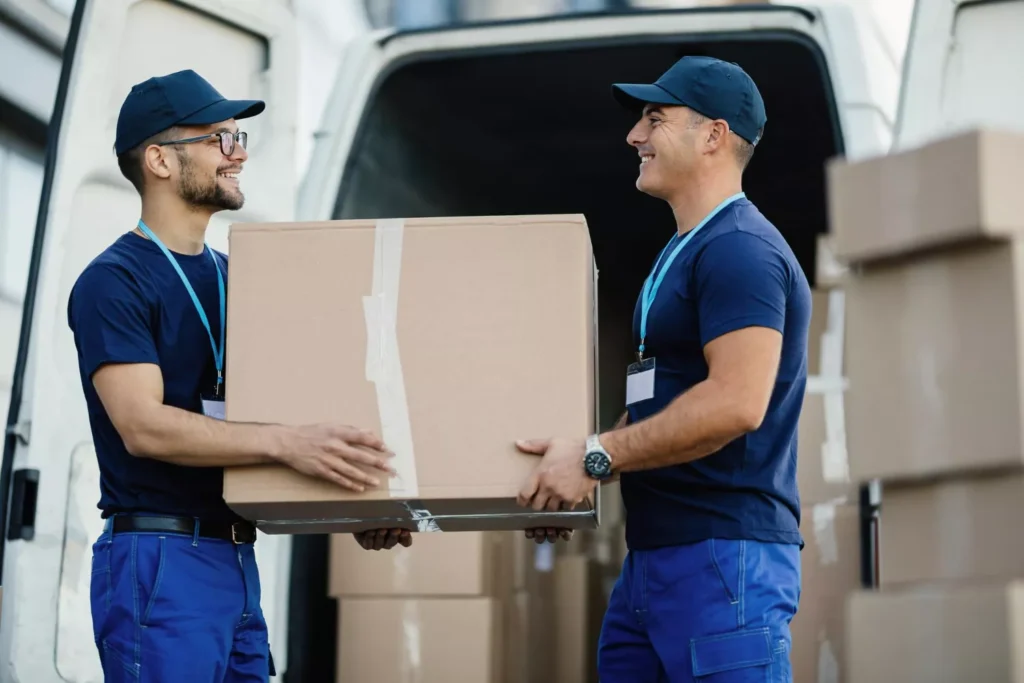
Packages are consolidated and transported via long-haul trucks or air freight to regional distribution centers or local transportation hubs closest to the final delivery destination. This is the “middle mile” of the shipping process.
Step 3: Sorting and Route Planning
Once packages arrive at the local hub, they’re sorted by delivery zones and assigned to specific delivery routes and drivers. Advanced routing software optimizes delivery sequences to minimize distance, fuel consumption, and time while maximizing the number of stops per route. Packages are loaded into delivery vehicles using optimized loading sequences to ensure efficient unloading during the route.
Step 4: Out for Delivery
Drivers leave the hub and begin their delivery routes. Customers receive notifications that their package is “out for delivery.” Real-time tracking systems allow customers and businesses to monitor delivery progress via GPS and digital platforms.
Step 5: Final Delivery
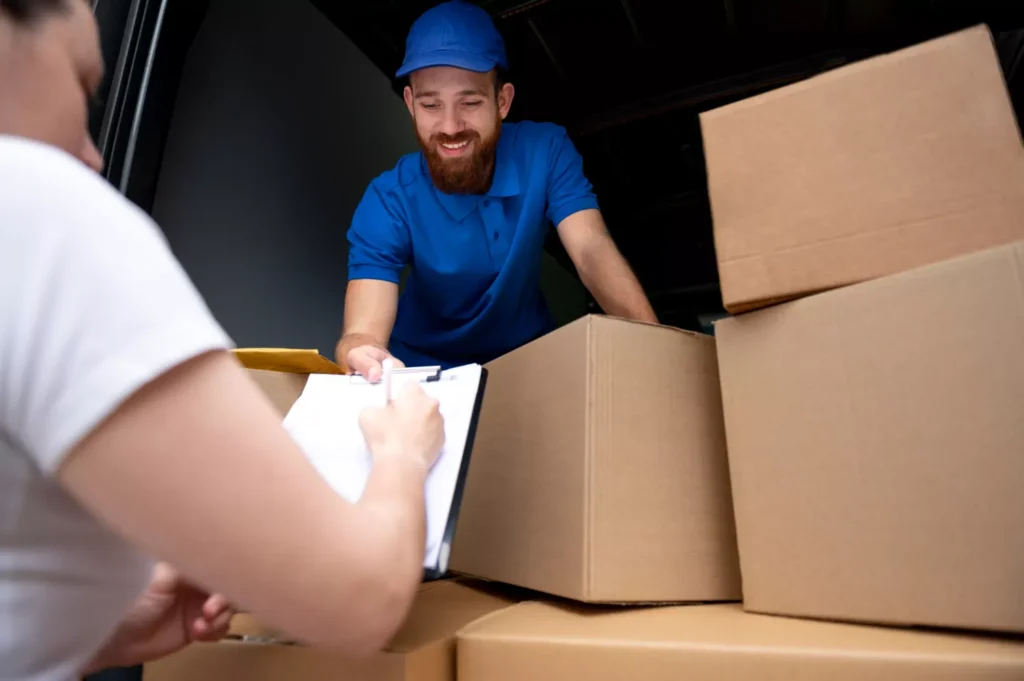
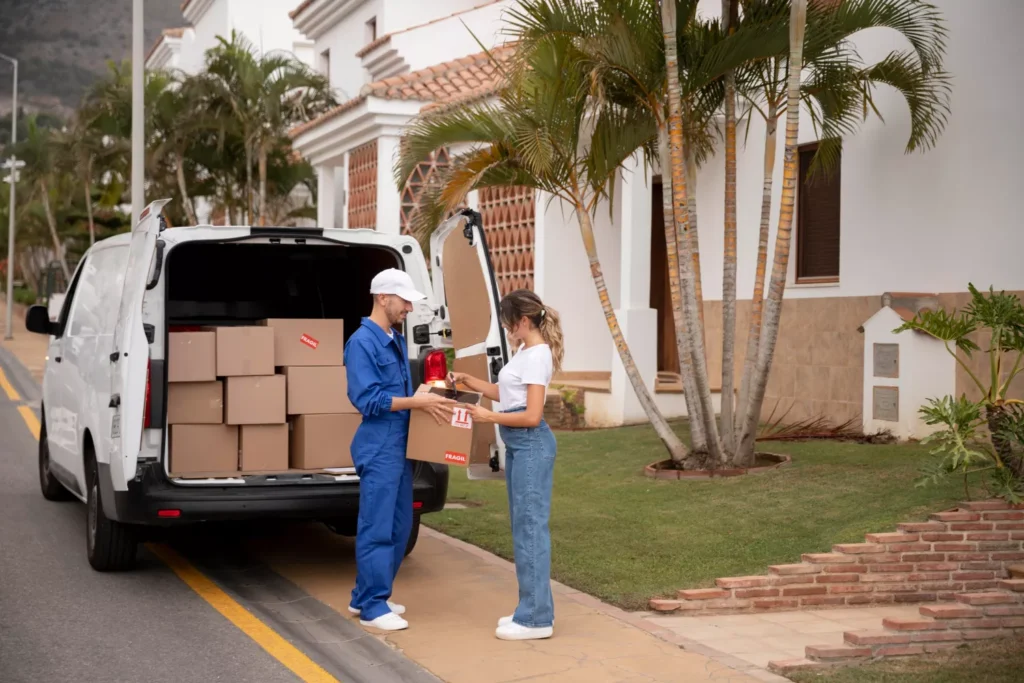
The driver arrives at the customer’s address and delivers the package. Delivery methods vary: doorstep drop-off (most common), signature required, reception/mailroom drop-off, secure locker delivery, or in-person handoff. Proof of delivery is captured digitally via photo, signature, or GPS confirmation.
Step 6: Delivery Confirmation
The customer receives a delivery confirmation notification with tracking updates showing the package was successfully delivered. If delivery fails (customer not home, wrong address, access issues), the package is returned to the hub for a reattempt or held for customer pickup.
Need Reliable Last Mile Delivery?
Direct Pro Logistics provides fast, dependable last mile delivery services for businesses of all sizes.
Get a Delivery Quote →Why Last Mile Delivery is So Expensive
Last mile delivery accounts for 41–53% of total shipping costs despite covering the shortest distance. Several factors drive these high costs.
Low Package Density Per Stop
Unlike bulk freight where hundreds of packages move together efficiently, last mile delivery involves individual stops for single packages. Drivers spend significant time navigating to scattered addresses, parking, walking to doors, and waiting for customers—all for one package at a time.
Labor Costs
Last mile delivery is labor-intensive. Driver wages, benefits, training, and turnover costs add up quickly. With driver shortages in many markets, wages are rising and recruitment is becoming more expensive.
Failed Delivery Attempts
When customers aren’t home or addresses are incorrect, drivers must return packages to the hub and reattempt delivery later. Each failed attempt costs time, fuel, and labor with no revenue to offset it.
Traffic and Urban Congestion
Delivery vehicles spend hours stuck in traffic, reducing the number of deliveries per route and increasing fuel costs. Urban areas with limited parking, narrow streets, and delivery restrictions make the problem worse.
Customer Expectations for Speed
Same-day and next-day delivery expectations force logistics companies to maintain excess capacity, operate more vehicles, and make rushed deliveries—all of which increase costs.
Residential Delivery Challenges
Residential deliveries are harder than commercial deliveries. Homes lack loading docks, may require long walks from the street, often have no one home during business hours, and involve unpredictable access issues like locked gates or apartment buildings.
Biggest Challenges in Last Mile Delivery
- High operational costs: labor, fuel, vehicle maintenance, and failed deliveries drive up expenses with thin profit margins.
- Customer expectations vs reality: customers want free, fast shipping, but last mile delivery is expensive and logistics companies struggle to balance speed, cost, and profitability.
- Delivery visibility and tracking: customers expect real-time tracking and accurate delivery windows, but GPS accuracy issues, driver delays, and unexpected problems create gaps between expectations and reality.
- Returns and reverse logistics: e-commerce returns add complexity and cost to last mile operations; returned items must be collected, transported back to warehouses, inspected, and restocked.
- Environmental impact: last mile delivery generates significant carbon emissions due to individual vehicle trips, urban congestion, and inefficient routing.
- Driver shortage: the logistics industry faces ongoing driver shortages, high turnover rates, and recruitment challenges that limit capacity and increase wages.
- Delivery time windows: customers want specific delivery times, but coordinating hundreds of stops within tight windows is logistically difficult and increases failed delivery rates.
How to Optimize Last Mile Delivery (Strategies That Work)
Route Optimization Software
AI-powered route planning software analyzes traffic patterns, delivery windows, stop density, and vehicle capacity to create the most efficient delivery routes. This reduces miles driven, fuel consumption, and delivery time while increasing stops per route.
Micro-Fulfillment Centers
Instead of shipping from large warehouses far from customers, businesses are opening small fulfillment centers in urban areas closer to high-density delivery zones. This shortens the last mile distance, reduces delivery time, and cuts costs.
Alternative Delivery Locations
Pickup points like lockers, retail partners, and parcel stores reduce failed delivery attempts and allow customers to retrieve packages on their schedule. Amazon Lockers, FedEx Hold Locations, and retail partnerships are popular examples.
Real-Time Tracking and Communication
Providing customers with accurate, real-time tracking and proactive delivery notifications reduces missed deliveries. SMS alerts, GPS tracking, and delivery time windows improve customer satisfaction and first-attempt success rates.
Crowdsourced Delivery
Companies like Uber, DoorDash, and gig economy platforms use crowdsourced drivers to handle last mile delivery. This provides flexible capacity during peak times without the fixed costs of maintaining a full-time fleet.
Delivery Time Incentives
Offering discounts or incentives for customers who choose flexible delivery windows or consolidated shipments reduces pressure on tight delivery schedules and improves route efficiency.
Electric Vehicles and Sustainable Fleets
Electric delivery vehicles reduce fuel costs and emissions. Companies like Amazon and UPS are investing heavily in electric fleets to lower operational costs and meet sustainability goals.
The Future of Last Mile Delivery
Autonomous Delivery Vehicles
Self-driving delivery robots and autonomous vehicles are already being tested in select cities. Companies like Nuro, Starship Technologies, and Amazon Scout are developing small autonomous vehicles designed specifically for last mile delivery. These vehicles could dramatically reduce labor costs and operate 24/7.
Drone Delivery
Amazon Prime Air, Zipline, and other companies are developing drone delivery systems for lightweight packages. Drones can bypass traffic, deliver to remote areas, and reduce delivery time from hours to minutes. Regulatory approval and safety concerns remain challenges, but drone delivery is slowly becoming reality.
Smart Lockers and Secure Drop Boxes
Secure package lockers in apartment buildings, retail locations, and public spaces are expanding rapidly. These lockers reduce theft, failed deliveries, and driver time while giving customers flexible pickup options.
Predictive Analytics and AI
Machine learning algorithms analyze historical delivery data to predict demand, optimize inventory placement, and forecast delivery times more accurately. This helps logistics companies position inventory closer to customers and reduce last mile distance.
Subscription Delivery Models
Services like Amazon Subscribe & Save and meal kit deliveries use predictable, recurring deliveries to optimize routes and reduce costs. Subscription models allow better planning and route consolidation.
Optimize Your Last Mile Delivery
Partner with Direct Pro Logistics for efficient, reliable last mile solutions that keep your customers happy and your costs under control.
Contact Us Today →Frequently Asked Questions
Why is last mile delivery so important?
Last mile delivery is the moment when customers receive their orders—it’s the most visible part of the shipping experience and directly impacts customer satisfaction, brand reputation, and repeat business. A poor last mile experience can drive customers to competitors.
How can businesses reduce last mile delivery costs?
Use route optimization software, open micro-fulfillment centers closer to customers, offer alternative pickup locations, incentivize flexible delivery windows, invest in electric vehicles, and use real-time tracking to reduce failed deliveries.
What is the difference between last mile and middle mile delivery?
Middle mile delivery is the transportation of goods from warehouses to regional distribution centers or local hubs, typically covering longer distances with bulk shipments. Last mile delivery is the final step from the local hub to the customer’s doorstep.
The Last Mile Will Make or Break Your Logistics
Last mile delivery is the most expensive, complex, and customer-facing part of logistics. Companies that optimize last mile operations—through technology, smart route planning, flexible delivery options, and customer communication—gain competitive advantage by delivering faster, cheaper, and more reliably. As e-commerce continues to grow and customer expectations rise, mastering the last mile isn’t optional—it’s essential for survival.
Direct Pro Logistics specializes in last mile delivery solutions that balance speed, cost, and reliability. Whether you’re a small business looking to improve delivery performance or a growing company scaling logistics operations, contact us today and let us help you win the last mile.