Less-than-truckload shipping—commonly called LTL—is one of the most widely used freight transportation modes in North America, moving billions of pounds of cargo annually for businesses of all sizes. Yet many shippers who could benefit from LTL either don’t understand how it works, avoid it due to perceived complexity, or use it inefficiently because they don’t know how to classify freight correctly, choose the right carriers, or avoid common pitfalls that lead to invoice surprises and service failures. LTL offers tremendous value when used properly—enabling small and mid-sized shippers to move freight economically without paying for full truckloads—but it requires more knowledge and attention to detail than simply calling a trucking company and asking them to pick up a pallet.
This 2026 guide explains what LTL shipping is, how the LTL network operates, when LTL makes sense versus other freight modes, how LTL pricing works, what freight class means and why it matters, typical transit times and service levels, common mistakes shippers make, and how to use LTL effectively to reduce costs and improve delivery performance. Whether you’re shipping LTL for the first time or looking to optimize your current LTL strategy, this comprehensive guide will help you understand the fundamentals and use LTL shipping as a strategic tool rather than a source of confusion and unexpected costs.
What Is LTL Shipping?
Less-than-truckload (LTL) shipping is a freight transportation method where multiple shippers share space on the same truck, with each paying only for the portion of the trailer their freight occupies. LTL carriers consolidate shipments from many customers into a single truck, making it economical to move freight that’s too large for parcel carriers like UPS or FedEx but too small to justify booking an entire truckload.
LTL shipments typically range from 150 pounds to 15,000 pounds (roughly 1 to 10 pallets), though the exact range varies by carrier. Freight is priced based on weight, dimensions, freight class, distance, and any special handling or accessorial services required. Because multiple shipments share the same truck, LTL carriers operate hub-and-spoke networks where freight is picked up locally, consolidated at terminals, transported across longer distances, and then distributed to final destinations through additional local deliveries.
LTL is distinct from full truckload (FTL) shipping, where a single shipper books an entire truck for exclusive use, and from parcel shipping, which handles small packages typically under 150 pounds. LTL fills the gap between these modes, providing an economical solution for mid-sized shipments that don’t require the speed of air freight or the cost of dedicating a full truck.
How Does LTL Shipping Work?
Understanding how the LTL network operates helps shippers anticipate transit times, handling risk, and why certain requirements (like accurate dimensions and freight class) matter so much.
Step 1: Pickup
The LTL carrier picks up your freight from your location—warehouse, dock, or business address—along with shipments from other customers in the same geographic area. Pickups are typically scheduled during regular business hours, though some carriers offer appointment or after-hours service for an additional fee.
Step 2: Consolidation at Origin Terminal
Your freight is delivered to a local carrier terminal where it’s unloaded, sorted, and consolidated with other shipments heading in the same general direction. At the terminal, freight is often reweighed, re-measured, and inspected to verify that declared weight, dimensions, and freight class match reality.
Step 3: Linehaul Transport
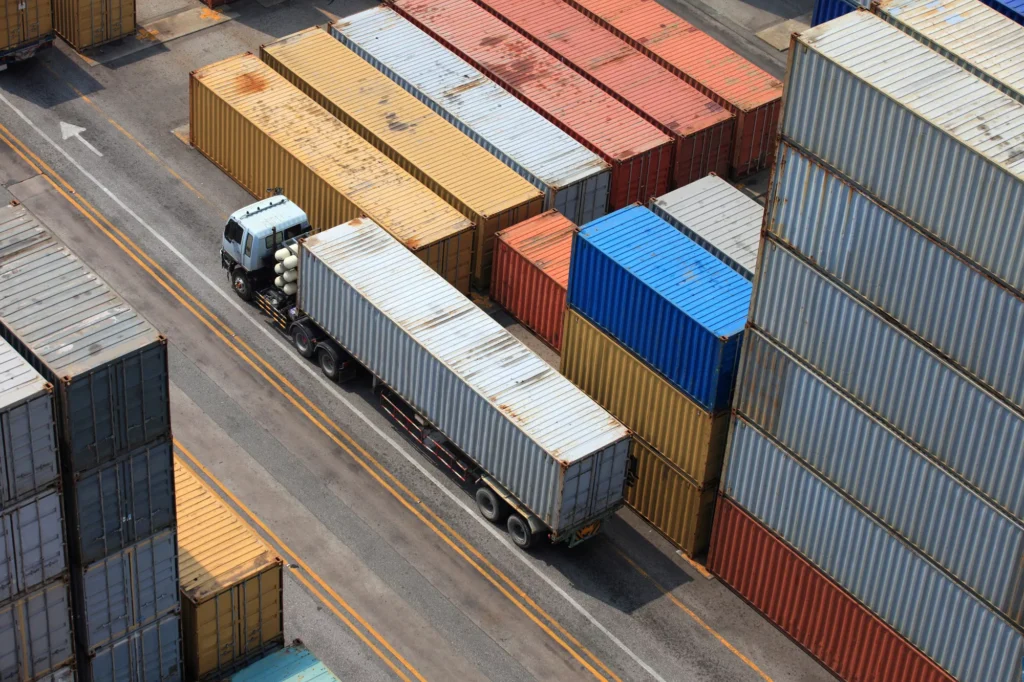
Consolidated freight is loaded onto linehaul trucks—large trailers that move freight between terminals over longer distances. Your shipment may ride with 10–20 other shipments, all sharing space based on size and destination. Linehaul moves happen overnight or over multiple days depending on distance.
Step 4: Destination Terminal Sorting
At the destination region terminal, freight is unloaded again, sorted by final delivery address, and loaded onto local delivery trucks. Depending on the carrier’s network and distance traveled, freight may pass through multiple terminals before reaching the destination terminal.
Step 5: Final Delivery
A local delivery truck brings your freight—along with other shipments in the area—to the final destination. Delivery is typically attempted during business hours, and the consignee signs a proof of delivery (POD) confirming receipt.
This multi-step process explains why LTL transit times are longer than FTL (which moves directly from origin to destination) and why freight is handled multiple times, increasing the risk of damage if not packaged properly. It also explains why carriers are so strict about accurate weight, dimensions, and freight class—because they need to plan truck space, terminal workflows, and pricing based on the actual characteristics of your shipment.
When Should You Use LTL Shipping?
LTL is the right freight mode in specific situations where shipment size, cost, and service requirements align with what LTL networks deliver best. Here’s when LTL makes the most sense.
1. Shipments Between 150 and 15,000 Pounds
If your freight weighs less than 150 pounds, parcel carriers are typically faster and cheaper. If it exceeds 15,000 pounds or fills most of a trailer, full truckload is more economical. LTL is optimized for the middle range—1 to 10 pallets or a few thousand pounds of freight.
2. Non-Urgent Deliveries
LTL transit times typically range from 2 to 7 business days depending on distance and carrier. If your shipment can tolerate this timeline and doesn’t require next-day or guaranteed delivery, LTL offers excellent value. For urgent freight, full truckload or expedited services are better options.
3. Cost-Conscious Shipping
LTL’s shared-cost model makes it the most economical option for smaller loads. You only pay for the space and weight you use, rather than paying for an entire truck. For businesses shipping frequently in small quantities, LTL can reduce transportation costs by 40–60% compared to booking full truckloads unnecessarily.
4. Regular, Recurring Shipments
If you ship to customers or distribution centers regularly but in volumes too small to fill trucks, LTL allows you to ship as orders arrive without waiting to consolidate full truckloads. This improves cash flow and inventory turnover.
5. Durable, Well-Packaged Freight
Because LTL freight is handled multiple times—loaded, unloaded, sorted, and reloaded—it’s best suited for goods that are palletized, properly packaged, and can withstand normal handling. Extremely fragile or high-value freight may be better served by full truckload to minimize touches and handling risk.
New to LTL Shipping? We Make It Simple.
Share your shipment details, and our logistics team will handle freight class, carrier selection, quoting, and tracking—so you get the benefits of LTL without the complexity.
Get an LTL Quote →How LTL Pricing Works
LTL pricing is more complex than parcel or full truckload because it’s based on multiple factors that together determine the cost of moving your freight through the carrier’s network.
Key Pricing Factors
- Weight: Heavier shipments cost more, but rates typically decrease per hundredweight as weight increases due to economies of scale.
- Freight class: LTL carriers use the National Motor Freight Classification (NMFC) system, which assigns classes from 50 to 500 based on density, handling, stowability, and liability. Lower classes cost less; higher classes cost more.
- Dimensions: The size of your shipment affects how much trailer space it occupies. Carriers calculate density (pounds per cubic foot) from dimensions and weight to determine or verify freight class.
- Distance: Longer lanes cost more due to increased fuel, labor, and time. Carriers typically price by origin and destination ZIP codes.
- Accessorials: Additional services like liftgate delivery, residential delivery, inside delivery, appointment scheduling, or limited-access locations add fees on top of base freight charges.
- Fuel surcharge: A percentage-based fee that fluctuates with diesel prices, typically 15–30% of the base rate in 2026.
How Carriers Calculate Rates
Most LTL carriers publish tariffs (base rate tables) for each class, weight range, and lane. They then apply a discount percentage to the tariff rate based on your volume or contract. For example, a carrier might charge $500 at their published tariff rate for a class 85 shipment, then offer you a 60% discount, bringing your net cost to $200 plus fuel and accessorials.
Some carriers are moving toward density-based pricing, where rates are calculated primarily from pounds per cubic foot rather than declared freight class, but they still reference NMFC classes for commodities and verify density at terminals using automated dimensioners.
To get accurate LTL quotes, you must provide complete information: origin and destination ZIP codes, weight, dimensions, freight class or commodity description, and any special services needed. Incomplete or inaccurate data results in quotes that don’t match final invoices.
What Is Freight Class and Why Does It Matter?
Freight class is one of the most important—and most misunderstood—elements of LTL shipping. It’s a standardized classification system that carriers use to price shipments based on how difficult and expensive freight is to transport.
Freight classes range from 50 (densest, easiest to handle) to 500 (least dense, most difficult). Each commodity and packaging type is assigned a class by the National Motor Freight Traffic Association (NMFTA) based on four factors:
- Density: Weight per cubic foot. Denser freight (more weight in less space) gets lower classes and lower rates.
- Handling: How easy or difficult freight is to load, move, and secure. Fragile, awkward, or heavy items get higher classes.
- Stowability: How well freight fits with other shipments. Items that don’t stack, are oversized, or create compatibility issues get higher classes.
- Liability: Risk of damage, theft, or high replacement cost. High-value or fragile goods get higher classes.
Common freight class examples in 2026:
- Class 50: Dense items like bricks, cement, hardwood flooring
- Class 70–85: Boxed electronics, machinery parts, automobile parts
- Class 100–125: Furniture, boat covers, car covers
- Class 150–200: Auto sheet metal, clothing, monitors
- Class 250–500: Ping pong balls, bags of gold dust, basketballs (very low density)
Declaring the correct freight class is essential to getting accurate quotes and avoiding reclass charges. If you under-declare class—either by mistake or intentionally—carriers will reclassify your freight at terminals and adjust your invoice to the correct, higher rate plus penalties. Working with a freight broker or using NMFC lookup tools helps ensure you classify correctly from the start.
Typical LTL Transit Times and Service Levels
LTL transit times vary based on distance, carrier network, and service level chosen. Understanding realistic expectations helps you plan shipments and set customer expectations appropriately.
Standard LTL Transit Times
- Regional (under 500 miles): 1–3 business days
- Interregional (500–1,500 miles): 3–5 business days
- Cross-country (1,500+ miles): 5–7 business days
These are typical ranges; actual transit depends on the specific carrier, lane, and any delays from weather, capacity constraints, or operational issues. Some carriers offer expedited or guaranteed LTL services for a premium, delivering faster or with committed delivery dates.
Service Options
- Standard service: Normal transit times, dock-to-dock delivery during business hours.
- Guaranteed service: Carrier commits to a specific delivery date and time, often with money-back guarantees if they miss.
- Expedited service: Faster transit by prioritizing your shipment or reducing terminal stops.
- Volume/partial LTL: For larger LTL shipments (6–12 pallets), some carriers offer better rates and fewer terminal touches.
Choosing the right service level depends on how urgently you need delivery and how much you’re willing to pay for speed or certainty. For most routine shipments, standard LTL offers the best balance of cost and performance.
Common LTL Shipping Mistakes and How to Avoid Them
LTL shipping has more rules and requirements than parcel or truckload, and small mistakes lead to big problems—reclass fees, delays, damaged freight, and invoice disputes. Here are the most common mistakes shippers make and how to avoid them.
1. Guessing Freight Class
Many shippers guess freight class based on what “seems right” or copy from similar products without verifying. This leads to reclass charges when carriers inspect freight and discover the actual class is higher. Always calculate density and look up the correct NMFC class for your commodity and packaging.
2. Inaccurate Dimensions or Weight
Providing estimated or incorrect dimensions and weight results in reweigh and re-dimension charges. Measure carefully, include the pallet in your dimensions, and weigh using certified scales. Carriers verify at terminals, and discrepancies trigger invoice adjustments.
3. Not Disclosing Accessorial Needs
Failing to mention that you need liftgate service, residential delivery, or inside delivery when quoting means those fees aren’t included in your quote but will appear on your invoice. Always disclose all service requirements upfront to get accurate all-in pricing.
4. Poor Packaging
LTL freight is handled multiple times, so inadequate packaging leads to damage. Use sturdy pallets, shrink-wrap or band boxes securely, protect corners and edges, and ensure freight can withstand normal handling without collapsing or shifting.
5. Not Noting Damage on Delivery Receipt
Signing a clean proof of delivery (POD) with no exceptions noted makes it nearly impossible to file successful damage claims later. Inspect freight at delivery, and document any damage or shortages on the POD before signing.
Advantages and Disadvantages of LTL Shipping
LTL offers significant benefits but also has limitations. Understanding both helps you use LTL strategically rather than defaulting to it for every shipment.
Advantages
- Cost-effective for shipments under 10 pallets or 15,000 pounds—you only pay for space used.
- No need to wait and consolidate freight into full truckloads; ship as orders arrive.
- Wide carrier availability with national and regional options serving most U.S. markets.
- Additional services (liftgate, residential delivery, inside delivery) available for locations without docks.
- Tracking and visibility through carrier portals and TMS integrations.
Disadvantages
- Longer transit times (2–7 days) compared to full truckload (1–3 days) due to terminal stops.
- Multiple handling touches increase risk of damage if freight isn’t packaged properly.
- Complex pricing based on freight class, which requires accurate data entry and knowledge.
- Invoice adjustments common if dimensions, weight, or class are incorrect.
- Limited control over delivery times—standard LTL delivers during business hours without specific appointments unless you pay extra.
For the right shipments, LTL’s advantages far outweigh its disadvantages. The key is matching LTL’s strengths to your freight characteristics and using full truckload or other modes when LTL’s limitations become problematic.
Ready to Start Shipping LTL the Right Way?
We handle freight class, carrier selection, documentation, and tracking—delivering accurate quotes, on-time delivery, and no invoice surprises.
Ship LTL With Confidence →Frequently Asked Questions: LTL Shipping
What’s the minimum weight for LTL shipping?
Most LTL carriers set minimums around 150 pounds, though some accept shipments as low as 100 pounds. Below 150 pounds, parcel carriers like UPS Freight or FedEx Freight are typically faster and more economical. If you’re consistently shipping under 150 pounds, compare parcel and LTL quotes to find the best option.
How do I calculate freight class for LTL?
Calculate density by measuring your pallet’s length, width, and height in inches (including packaging), multiply to get cubic inches, divide by 1,728 to convert to cubic feet, then divide total weight by cubic feet to get pounds per cubic foot. Use that density and your commodity type to look up the correct NMFC freight class, or work with a broker who can classify for you.
Can I track LTL shipments in real time?
Most major LTL carriers provide tracking through online portals, though updates are typically at terminal checkpoints (pickup, arrival at terminal, departure, delivery) rather than continuous GPS tracking. Some premium services and freight brokers offer enhanced visibility with real-time location updates.
Why do LTL invoices often differ from quotes?
Invoice adjustments happen when carriers verify freight at terminals and find discrepancies between what you declared (weight, dimensions, class) and reality. Providing accurate information upfront eliminates most invoice surprises. Accessorials not disclosed when quoting also appear on invoices, increasing cost.
Is LTL suitable for fragile or high-value freight?
LTL can handle fragile freight if packaged properly, but the multiple handling touches increase damage risk compared to full truckload. For extremely fragile or high-value items (electronics, glass, artwork), consider FTL to minimize handling, or purchase cargo insurance to protect against loss or damage in LTL networks.
Should I use a freight broker for LTL shipping?
Freight brokers simplify LTL by handling freight class determination, carrier selection, quoting, booking, tracking, and invoice auditing. They can compare rates across multiple LTL carriers quickly and often secure better pricing through volume discounts. For shippers without in-house logistics expertise, brokers make LTL easier and more cost-effective.
Mastering LTL Shipping in 2026
Less-than-truckload shipping is one of the most valuable tools in modern logistics—enabling businesses to move freight economically without the volume requirements or costs of full truckload service. But LTL requires knowledge, discipline, and attention to detail to use effectively. Shippers who understand how LTL networks operate, provide accurate dimensions and freight class, package freight properly, and work with reliable carriers or brokers can reduce transportation costs by 30–50% compared to alternatives while maintaining acceptable transit times and delivery reliability.
The keys to successful LTL shipping are simple: measure and classify accurately, disclose all service requirements upfront, package to withstand handling, choose carriers whose strengths align with your lanes, and inspect freight at delivery. For shippers who lack the time or expertise to manage these details, partnering with a freight broker who specializes in LTL removes complexity while delivering better rates and service through carrier relationships and volume leverage.
Direct Pro Logistics specializes in LTL shipping across the United States, providing accurate freight classification, competitive multi-carrier quotes, and end-to-end shipment management that ensures your freight moves on time and your invoices match your quotes. We handle the complexities of LTL—freight class, accessorials, carrier selection, tracking, and claims—so you can focus on your business instead of wrestling with terminal inspection reports and reclass charges. Whether you’re shipping LTL for the first time or looking to optimize your current LTL strategy and reduce costs, reach out to discuss your typical shipments and shipping patterns. With expertise in LTL freight management and access to vetted carrier networks nationwide, we can design a 2026 LTL shipping strategy that delivers predictable costs, reliable service, and fewer headaches—so you get all the benefits of LTL without the complexity.