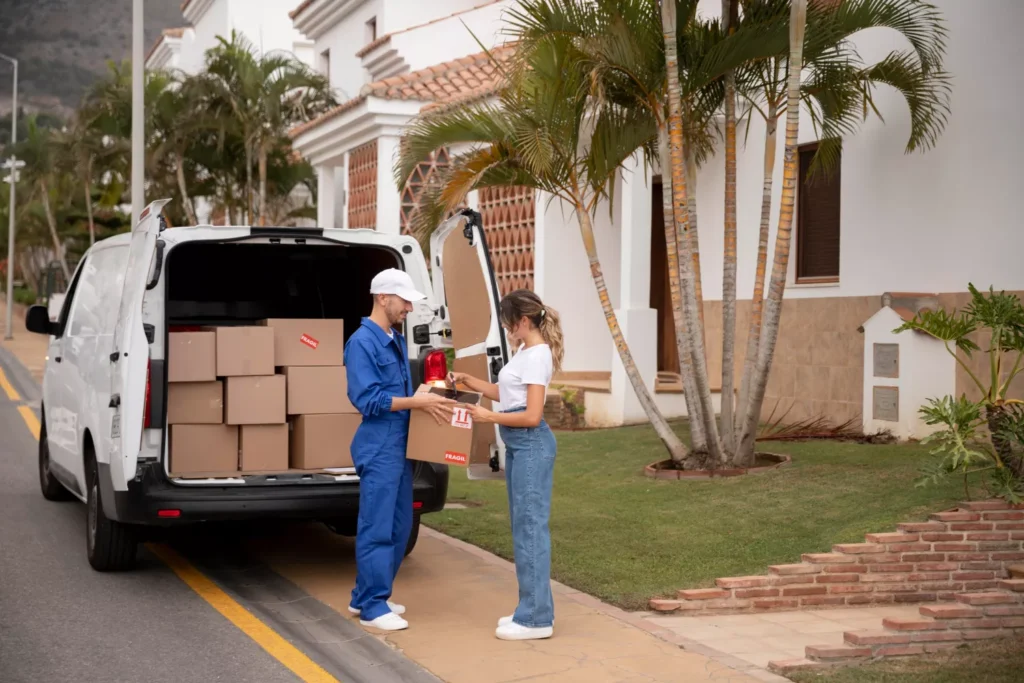

Moving to Florida is one of the most popular relocation choices in the United States, attracting over 300,000 new residents each year. With no state income tax, year-round sunshine, miles of coastline, and a growing job market, the Sunshine State offers compelling reasons to relocate. Whether you’re moving for retirement, career opportunities, or a lifestyle change, understanding costs, neighborhoods, and logistics will help you plan a successful move.
This guide explains everything you need to know about moving to Florida, including cost of living, best cities, moving logistics, and how Direct Pro Logistics can support your relocation. It covers residential moves, long-distance relocations, and practical tips for settling into your new Florida home.
Why People Are Moving to Florida
Florida consistently ranks among the top states for population growth and relocation. The combination of favorable tax policies, warm climate, diverse job markets, and coastal living creates an attractive package for families, professionals, and retirees alike.
No State Income Tax
Florida is one of only a handful of states with no personal income tax, which means you keep more of your paycheck compared to high-tax states like California or New York. This tax advantage becomes especially significant for higher earners, retirees living on fixed incomes, and small business owners. For someone earning a six-figure salary, the savings can amount to thousands of dollars annually.
Year-Round Warm Weather
The subtropical and tropical climate across most of Florida means mild winters and hot summers, with average temperatures ranging from 65°F in winter to 90°F in summer. This weather supports outdoor activities year-round, eliminates snow removal costs, and appeals to those tired of harsh northern winters. However, the summer heat and humidity, along with hurricane season from June to November, are important considerations.
Growing Job Market and Economy
Florida’s economy continues to expand across sectors including tourism, healthcare, technology, finance, aerospace, and logistics. Major metros like Miami, Tampa, Orlando, and Jacksonville host Fortune 500 companies, thriving startups, and remote work hubs. The state’s population growth also fuels demand for construction, real estate, education, and service industries, creating diverse employment opportunities.
Beaches, Recreation, and Lifestyle
With over 1,300 miles of coastline, Florida offers some of the best beaches in the country, from the Gulf Coast’s white sands to the Atlantic’s surf-friendly waves. Beyond beaches, residents enjoy theme parks, state parks, boating, fishing, golf, and vibrant cultural scenes in cities like Miami, St. Petersburg, and Fort Lauderdale. The lifestyle balance between urban energy and natural beauty makes Florida appealing to a wide range of residents.
Best Cities and Regions in Florida
Florida is a large and diverse state, and the right city for your move depends on your priorities: job market, cost of living, schools, lifestyle, and proximity to beaches or urban centers. Below are some of the most popular destinations for new residents.
| City / Region | Best For | Key Features | Average Cost of Living |
|---|---|---|---|
| Miami | Urban professionals, international business, culture seekers | Vibrant nightlife, diverse culture, finance and tech jobs, beaches, international airport | High; rent and housing above state average |
| Tampa | Families, young professionals, affordability | Growing job market, affordable housing, sports teams, waterfront living | Moderate; good balance of cost and amenities |
| Orlando | Families, tourism industry workers, theme park access | Major theme parks, convention center, growing tech sector, no beaches but lakes nearby | Moderate; competitive rental market |
| Jacksonville | Military, families, lower cost of living | Large land area, affordable housing, beaches, military bases, logistics hub | Low to moderate; most affordable major metro |
| Fort Lauderdale | Boating enthusiasts, retirees, beach lifestyle | Canals and waterways, upscale dining, close to Miami, international airport | High; premium coastal living |
| Sarasota / Gulf Coast | Retirees, arts and culture, relaxed pace | Beautiful Gulf beaches, cultural institutions, lower humidity, slower pace | Moderate to high; popular retirement destination |
| Tallahassee | Government workers, students, college town vibe | State capital, Florida State University, lower cost, wooded landscapes | Low; college town affordability |
Each region offers unique advantages, so consider your career, family needs, and lifestyle preferences when choosing where in Florida to settle. On Direct Pro Logistics, this section can link to your Moving Services, Long Distance Movers, and Residential Movers pages.
Cost of Living in Florida
While Florida has no state income tax, other costs vary significantly by location. Housing, utilities, insurance, and transportation should all be factored into your budget when planning your move.
Housing Costs
Home prices and rents in Florida range widely depending on proximity to major cities and the coast. Miami, Fort Lauderdale, and Naples tend to have higher housing costs, while inland cities like Jacksonville, Ocala, and Gainesville offer more affordable options. As of 2025, median home prices in metro areas range from around $250,000 in Jacksonville to over $500,000 in Miami-Dade County. Renters can expect one-bedroom apartments to cost between $1,200 and $2,500 per month depending on location and amenities.
Homeowners and Flood Insurance
Florida homeowners face higher insurance premiums due to hurricane and flood risk. Homeowners insurance can cost two to three times the national average, and flood insurance is often required for properties in designated flood zones. Budget an extra $2,000 to $5,000 annually for comprehensive coverage, and factor this into your overall cost of living when comparing Florida to other states.
Utilities and Energy Costs
Air conditioning is essential during Florida’s hot and humid summers, which can push electricity bills higher than in cooler climates. Expect monthly utility costs (electric, water, internet) to range from $150 to $300 depending on home size and usage. Energy-efficient homes and programmable thermostats help manage these costs.
Transportation and Commuting
Most Florida residents rely on personal vehicles, as public transportation is limited outside of Miami and parts of South Florida. Gasoline prices are generally close to or slightly below the national average. Vehicle registration, title fees, and sales tax apply to car purchases, and tolls are common on major highways and bridges, especially in metro areas.
Planning Your Move to Florida
A successful move to Florida requires planning around timing, logistics, legal requirements, and settling-in tasks. Starting early and staying organized will reduce stress and ensure a smoother transition.
Best Time to Move to Florida
The best time to move to Florida is typically during the fall and winter months (October through April), when the weather is milder and hurricane season has ended. Summer moves (May through September) coincide with intense heat, humidity, and the Atlantic hurricane season, which can complicate logistics and increase costs. If flexibility allows, aim for a move between October and March for the most comfortable experience.
Choosing the Right Moving Company
For long-distance moves to Florida, working with an experienced moving company is essential. Look for licensed and insured movers with experience in interstate relocations, transparent pricing, and positive reviews. Direct Pro Logistics offers comprehensive moving services tailored to Florida relocations, including packing, loading, transport, and delivery coordination. Whether you’re moving a one-bedroom apartment or a large family home, professional movers streamline the process and protect your belongings.
Updating Legal Documents and Residency
Once you move to Florida, you’ll need to establish residency and update key documents. This includes obtaining a Florida driver’s license within 30 days, registering your vehicle, updating voter registration, and changing your address with the USPS, IRS, banks, and insurance providers. If you’re claiming Florida residency for tax purposes, be sure to document your move date and maintain your primary residence in the state for at least 183 days per year.
Setting Up Utilities and Services
Schedule utility connections (electric, water, gas, internet) at least two weeks before your move-in date. Florida’s major utility providers include Florida Power & Light (FPL), Duke Energy, and Tampa Electric, depending on your region. Internet and cable options vary by area, with providers like Xfinity, Spectrum, and AT&T offering service in most metros. Set up trash collection, pest control (especially for termites and mosquitoes), and lawn care if you’re moving into a single-family home.
What to Expect After Moving to Florida
Adjusting to life in Florida involves adapting to the climate, understanding local culture, and taking advantage of the state’s unique opportunities.
Adapting to the Climate
If you’re moving from a colder climate, Florida’s heat and humidity take some adjustment. Summer temperatures regularly exceed 90°F with high humidity, making outdoor activities more challenging between June and September. Air conditioning is a necessity, and hydration becomes especially important. On the positive side, you’ll enjoy outdoor activities, beach trips, and golf year-round without worrying about snow or ice.
Hurricane Preparedness
Hurricane season runs from June 1 to November 30, with peak activity in August and September. While not every season brings major storms, preparedness is essential. Stock emergency supplies (water, non-perishable food, batteries, flashlights), secure outdoor furniture, and know your evacuation routes. Most communities have designated shelters, and local governments provide regular updates during storm threats. Comprehensive homeowners insurance and a solid emergency plan will give you peace of mind.
Exploring Your New Community
Florida’s diverse communities offer rich cultural experiences, from Miami’s Latin influences to Tampa’s historic Ybor City and the Panhandle’s Southern charm. Take time to explore local farmers markets, festivals, sports events, and outdoor activities. Join community groups, attend local government meetings, and connect with neighbors to build a sense of belonging in your new state.
How Direct Pro Logistics Supports Your Move to Florida
Moving to Florida from another state involves coordinating long-distance transport, timing, and careful handling of your belongings. Direct Pro Logistics specializes in seamless relocations to Florida, offering services that simplify every stage of your move.
- Long-Distance Moving Expertise: Experienced crews handle interstate moves with attention to timing, route planning, and safe transport across state lines.
- Full-Service Packing and Loading: Professional packing services protect your belongings, while efficient loading maximizes truck space and minimizes handling.
- Flexible Storage Solutions: If your new home isn’t ready, secure warehousing and storage options bridge the gap between move-out and move-in dates.
- Transparent Pricing and Scheduling: Clear quotes, no hidden fees, and reliable delivery windows help you plan your move with confidence.
- Customized Residential Services: Whether you’re moving a studio apartment, a four-bedroom home, or specialty items like pianos and antiques, services are tailored to your needs.
On Direct Pro Logistics, link this section to your Long Distance Movers, Residential Movers, Packing Services, and Warehousing & Storage pages.
FAQ: Moving to Florida
1. Is moving to Florida worth it?
For many, yes. Florida offers no state income tax, warm weather, growing job markets, and coastal living. However, consider higher insurance costs, hurricane risk, and summer heat when deciding if it fits your lifestyle and financial goals.
2. What is the cheapest city to move to in Florida?
Jacksonville, Tallahassee, and Gainesville are among the most affordable cities in Florida, with lower housing costs, rent, and overall cost of living compared to Miami, Fort Lauderdale, or Naples.
3. How much does it cost to move to Florida?
Long-distance moving costs vary based on distance, volume, and services. Expect to pay between $2,500 and $7,500 for a full-service move from states like New York, Texas, or California, depending on home size and additional services like packing and storage.
4. Do I need to worry about hurricanes?
Hurricane risk is real but manageable with preparation. Most Florida residents experience only a few significant storms over many years. Invest in good insurance, prepare an emergency kit, and stay informed during hurricane season to minimize risk.
5. Can I establish Florida residency for tax purposes?
Yes. To establish Florida residency, you must live in the state for at least 183 days per year, obtain a Florida driver’s license, register to vote, and file a Declaration of Domicile. Maintain documentation to support your residency claim for tax purposes.
6. What should I pack for a move to Florida?
Bring lightweight, breathable clothing for the heat and humidity, along with rain gear for afternoon thunderstorms. You won’t need heavy winter coats or snow equipment, but keep a light jacket for cooler winter evenings. Don’t forget sunscreen, insect repellent, and outdoor furniture for year-round patio living.
7. How do I get started with my move to Florida through Direct Pro Logistics?
Begin by requesting a free moving quote through your Get a Quote page. Share your current location, destination in Florida, move date, and home size. Direct Pro Logistics will provide a detailed estimate and coordinate every step of your relocation, from packing and loading to safe delivery at your new Florida home. Visit the Moving Services or Contact page to start planning your move today.