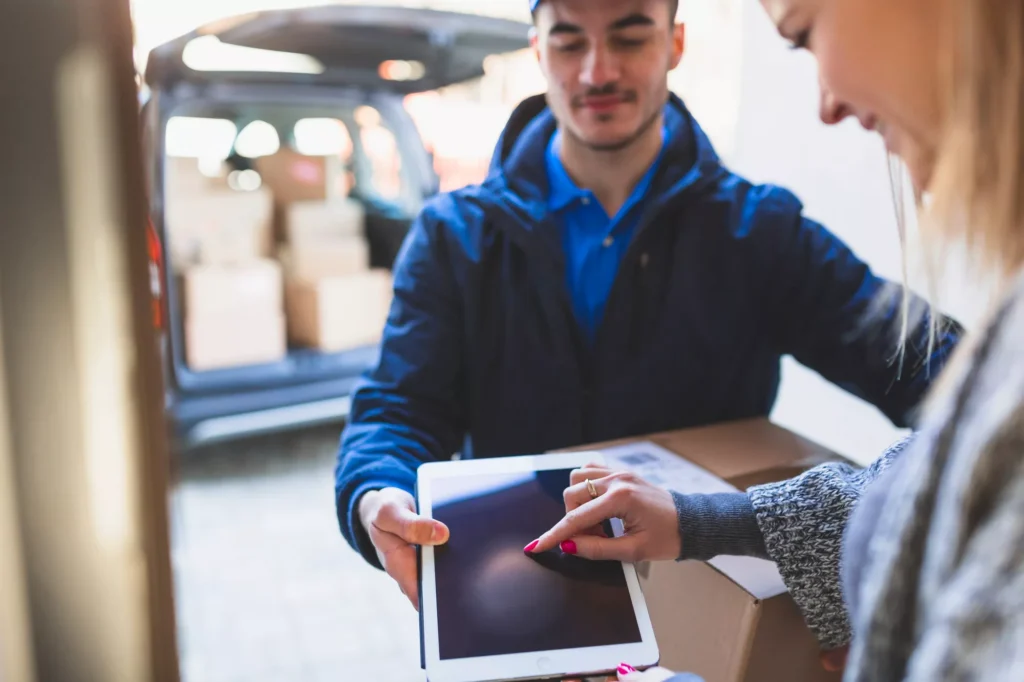
Last mile delivery services cover the final leg of the journey from a distribution center, hub, or local terminal to the customer’s doorstep or business location. This is often the most complex and expensive part of the supply chain, but it is also the most visible to customers and has a direct impact on satisfaction and loyalty. [conversation_history:1]
This guide explains what last mile delivery includes, how modern last mile networks operate, and how a partner like Direct Pro Logistics can enhance your delivery performance. It is written for retailers, e‑commerce brands, distributors, and B2B companies that want to improve delivery speed and reliability. [conversation_history:1]
What Are Last Mile Delivery Services?
Last mile delivery services manage the movement of parcels, pallets, or bulk goods from the final distribution point to the end recipient. This can involve local delivery hubs, regional carriers, route optimization, and technology that provides tracking and proof of delivery. The goal is to make deliveries on time, in full, and with clear communication at every step. [conversation_history:1]
On Direct Pro Logistics, this topic should connect directly to your Last Mile Delivery, E‑commerce Fulfillment, Warehousing & Distribution, and Temperature-Controlled Logistics pages so shippers understand how goods move from storage to the customer. [conversation_history:1]
How Last Mile Delivery Works
Step 1: Consolidation at the Local Hub
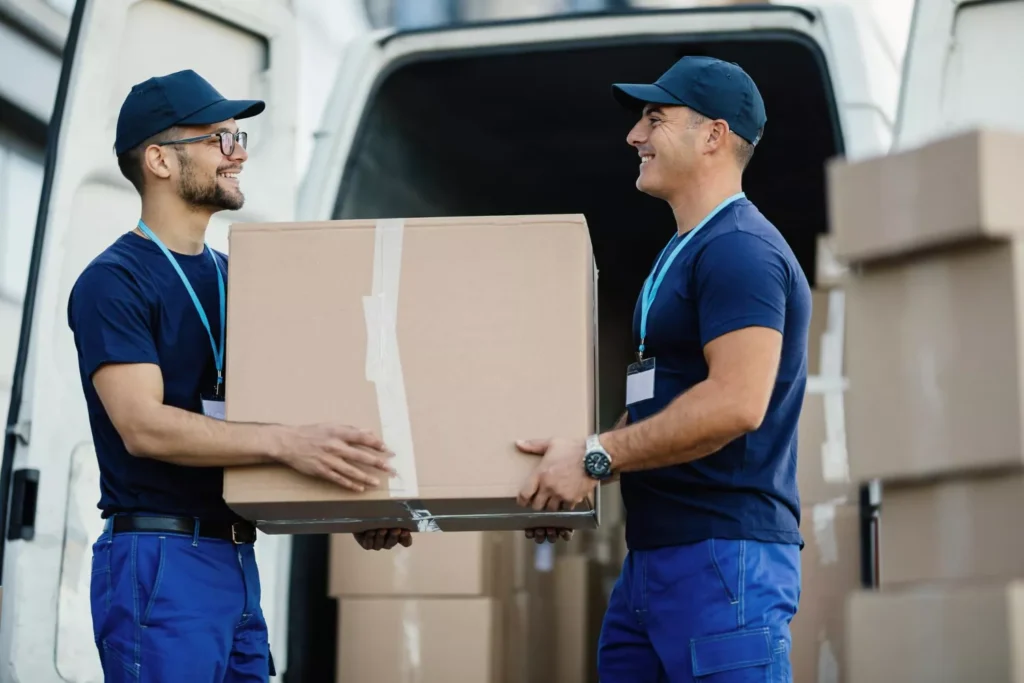
Shipments arrive from line‑haul or regional transport at a local hub or delivery station. Here, parcels or pallets are sorted by route, delivery zone, or time window so that each vehicle leaves with an efficient, optimized load for its area. [conversation_history:1]
Step 2: Route Planning and Optimization
Delivery routes are planned using addresses, service levels, and constraints such as vehicle capacity, traffic patterns, and delivery time windows. Route optimization tools help reduce mileage, improve on‑time performance, and make better use of drivers and vehicles. [conversation_history:1]
Step 3: Final Delivery and Proof of Delivery
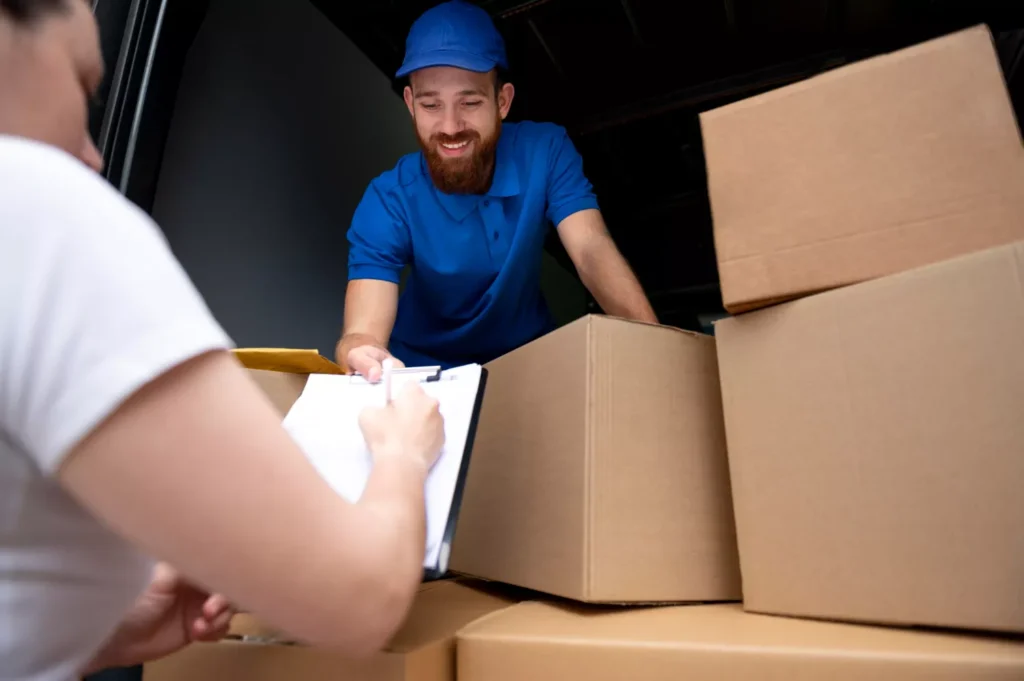
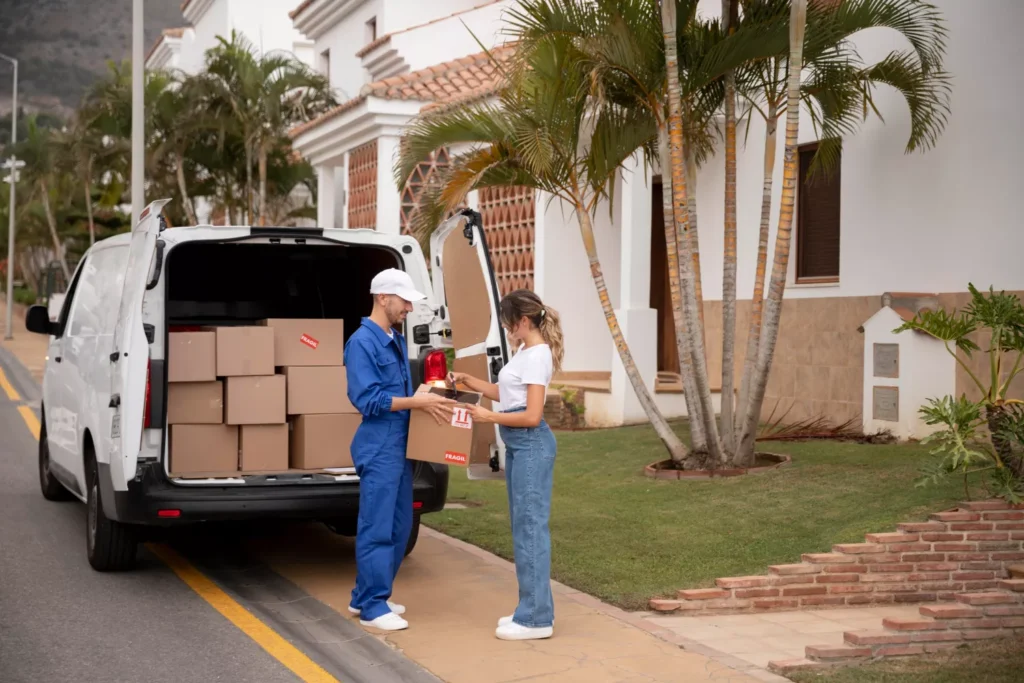
Drivers complete deliveries to homes, offices, stores, or job sites, following instructions such as signature on delivery, contactless drop‑off, or delivery to specific departments. Mobile devices or applications capture proof of delivery (POD) through signatures, photos, or geolocation, and update shipment status for both shippers and customers. [conversation_history:1]
Six Benefits of Professional Last Mile Delivery Services
Outsourcing last mile delivery to a reliable partner can transform customer experience while controlling costs and complexity, especially as order volumes and delivery expectations rise. [conversation_history:1]
Improved Customer Experience
Reliable delivery times, clear communication, and professional drivers build trust and encourage repeat purchases or long‑term contracts. [conversation_history:1]
Greater Delivery Flexibility
A structured last mile network supports same‑day, next‑day, scheduled, or time‑window deliveries, depending on your service promises and customer needs. [conversation_history:1]
Optimized Costs and Utilization
Consolidated routes and professional planning help reduce empty miles, fuel waste, and failed deliveries, improving cost per stop. [conversation_history:1]
Real‑Time Visibility
Tracking and status updates give both shippers and recipients visibility into where shipments are and when to expect them. [conversation_history:1]
Support for Value‑Added Services
White‑glove, inside delivery, installation, or returns pickup can be integrated into last mile operations to support premium experiences. [conversation_history:1]
Scalability During Peaks
A flexible last mile partner can scale routes and capacity during seasonal peaks or campaigns without you building your own fleet. [conversation_history:1]
Types of Last Mile Delivery Models
Different last mile models suit different shipment profiles, geographies, and customer expectations. The table below summarizes common options. [conversation_history:1]
| Model | Description | Pros | Best For |
|---|---|---|---|
| Own Fleet | Company‑owned vehicles and drivers handle all last mile deliveries. | High control and branding; tailored processes. | Large retailers or distributors with dense, predictable routes. |
| Third‑Party Last Mile Provider | A logistics partner like Direct Pro Logistics manages local delivery operations. | Scalability, expertise, and broader coverage without owning a fleet. | Growing brands and shippers expanding into new regions. |
| Parcel Carriers / Couriers | National or regional parcel networks deliver individual parcels to homes and businesses. | Wide coverage, strong tracking, and established infrastructure. | E‑commerce, B2C shipments, and small B2B parcels. |
| Pickup Points & Lockers | Shipments are delivered to staffed points or lockers for customer collection. | Fewer failed deliveries; convenience for customers who are not home. | Urban areas and customers comfortable with self‑pickup. |
On Direct Pro Logistics, this section can guide visitors toward your Last Mile Delivery, E‑commerce, and Distribution pages, depending on their shipment type and geographic needs. [conversation_history:1]
Designing a Last Mile Delivery Strategy
Understand Your Delivery Profile
Analyze delivery density, average shipment size, residential vs business mix, and required delivery speeds. This helps determine the right combination of hubs, partners, and service levels for your network. [conversation_history:1]
Align Service Levels with Customer Promises
Define which orders qualify for same‑day, next‑day, or standard delivery and which require special handling, such as white‑glove or temperature control. Your last mile partner can then design routes and capacity around those promises. [conversation_history:1]
Integrate Technology and Communication
Integrate order systems, transport management, and customer notifications so that shipment status updates flow automatically. Proactive messages and accurate ETAs reduce missed deliveries and support a smoother end‑customer experience. [conversation_history:1]
FAQ: Last Mile Delivery Services
You can reuse this FAQ on your Last Mile Delivery, E‑commerce Fulfillment, and Distribution pages. [conversation_history:1]
1. What makes last mile delivery so expensive?
Last mile delivery involves many short stops, traffic, failed delivery attempts, and labor‑intensive handling, all of which drive up cost per shipment compared with long‑haul transport. Efficient routing and consolidation help control these costs. [conversation_history:1]
2. Can last mile services support same‑day delivery?
Yes, in suitable geographies and with the right hub and route design. Same‑day delivery usually requires cut‑off times, local inventory, and well‑coordinated operations to be sustainable. [conversation_history:1]
3. How do customers track their deliveries?
Tracking links, SMS or email updates, and mobile apps provide shipment status, estimated delivery windows, and sometimes live driver location. This transparency reduces support calls and increases confidence. [conversation_history:1]
4. What happens if a delivery attempt fails?
Depending on your policy, shipments may be reattempted, redirected to a pickup point, or returned to the hub. Clear communication and options for customers help minimize repeated failed attempts. [conversation_history:1]
5. Can last mile delivery handle bulky or specialized items?
Yes. Many last mile networks support large appliances, furniture, construction materials, or B2B deliveries, sometimes with added services like installation, setup, or debris removal. [conversation_history:1]
6. How do I balance delivery speed and cost?
Offer a tiered mix of delivery options and use data to understand which customers value speed versus savings. A logistics partner can help design service levels and pricing that align with both competitiveness and margin targets. [conversation_history:1]
7. How do I get started with last mile delivery through Direct Pro Logistics?
Begin by sharing your shipment profile, delivery regions, and service expectations through your Last Mile Delivery, Contact, or Get a Quote page. Direct Pro Logistics can then design a tailored last mile solution that connects seamlessly with your warehousing, fulfillment, and line‑haul operations. [conversation_history:1]