Temperature-controlled logistics, often called cold chain logistics, ensures that perishable and sensitive products are stored and transported within strict temperature ranges from origin to destination. This is essential for food, pharmaceuticals, chemicals, and other products whose quality, safety, or effectiveness depends on staying within a controlled environment. [conversation_history:1]
This guide explains what temperature-controlled logistics includes, key cold chain components, and how providers like Direct Pro Logistics protect high-risk shipments. It is written for manufacturers, importers, healthcare providers, and retailers that need more than standard transport and warehousing. [conversation_history:1]
What Is Temperature-Controlled Logistics?
Temperature-controlled logistics is the coordinated handling, storage, and transportation of products that must remain within defined temperature ranges, such as frozen, chilled, or ambient-controlled. Instead of treating goods like any other freight, every stage—loading, storage, transit, and delivery—is designed to maintain product integrity and comply with regulations. [conversation_history:1]
On Direct Pro Logistics, this topic should connect directly to Temperature-Controlled Logistics, Warehousing & Distribution, Freight Forwarding, and Last Mile Delivery pages so shippers see how cold chain capabilities fit into your wider network. [conversation_history:1]
Key Components of Temperature-Controlled Logistics
Specialized Storage Facilities
Cold chain warehousing uses dedicated zones—frozen, refrigerated, and temperature-controlled ambient—to store products safely. Facilities rely on calibrated equipment, backup power, and continuous temperature monitoring to keep conditions within specification and meet regulatory standards. [conversation_history:1]
Refrigerated Transport
Refrigerated trucks, containers, and trailers (often called reefers) maintain the required temperature throughout transit. For international moves, temperature-controlled containers can move by road, rail, or ocean while keeping conditions stable, sometimes with active cooling and real-time monitoring devices. [conversation_history:1]
Packaging and Thermal Protection
Insulated packaging, gel packs, dry ice, and phase-change materials add another layer of protection, especially for smaller shipments or parcel-sized deliveries. Proper packaging design ensures products stay within range even during brief door openings or handovers. [conversation_history:1]
Six Benefits of Temperature-Controlled Logistics
For regulated and sensitive products, temperature-controlled logistics is not optional—it is a requirement. Done well, it also creates commercial advantages by protecting quality, reducing waste, and opening new markets. [conversation_history:1]
Product Quality and Safety
Maintaining proper temperatures preserves product quality, potency, and safety, which is critical for food, pharmaceuticals, and medical supplies. [conversation_history:1]
Regulatory Compliance
Temperature logs, validated equipment, and documented procedures help businesses comply with industry regulations and audits. [conversation_history:1]
Reduced Waste and Losses
Fewer temperature excursions mean fewer spoiled or rejected shipments, directly protecting margins and brand reputation. [conversation_history:1]
Access to New Markets
Reliable cold chain capabilities allow companies to ship sensitive products longer distances and enter regions that were previously unreachable. [conversation_history:1]
Stronger Customer and Patient Trust
Consistent product quality builds trust with retailers, healthcare providers, and end customers who rely on safe, effective goods. [conversation_history:1]
Integrated Supply Chain Control
Combining temperature-controlled storage, line-haul, and last mile delivery under one partner simplifies coordination and monitoring. [conversation_history:1]
Temperature Ranges and Product Categories
Different products require different storage and transport conditions. The table below summarizes common ranges and typical uses. [conversation_history:1]
| Range (Example) | Description | Typical Products | Notes |
|---|---|---|---|
| Frozen (around -18°C or lower) | Deep-freeze conditions to maintain long-term stability. | Frozen foods, ice cream, some pharmaceuticals. | Requires robust insulation and reliable refrigeration systems. |
| Chilled (2–8°C) | Refrigerated range used for many sensitive products. | Dairy, fresh meat, some vaccines and medicines. | Strict monitoring; short excursions can affect quality. |
| Cool / Controlled Ambient (15–25°C) | Temperature-controlled but not cold; protects from heat or cold extremes. | Many pharmaceuticals, cosmetics, certain packaged foods. | Important in hot or cold climates to avoid degradation. |
| Standard Ambient | Typical warehouse or transport conditions without special control. | Non-perishable goods and general merchandise. | Still requires basic protection from moisture and physical damage. |
On Direct Pro Logistics, you can adapt this table to match the exact ranges and certifications your operations support and link it to your Temperature-Controlled Logistics and Warehousing pages. [conversation_history:1]
Designing a Temperature-Controlled Logistics Strategy
Map Product Requirements and Risks
List your products, required temperature ranges, sensitivity to excursions, and regulatory obligations. This risk map guides decisions about packaging, routes, and which legs of the journey must be temperature-controlled vs standard. [conversation_history:1]
Choose the Right Network and Partners
Align production sites, warehouses, and transport modes with your temperature needs. Look for partners with proven cold chain experience, monitoring tools, and documented procedures rather than generic carriers only. [conversation_history:1]
Implement Monitoring and Documentation
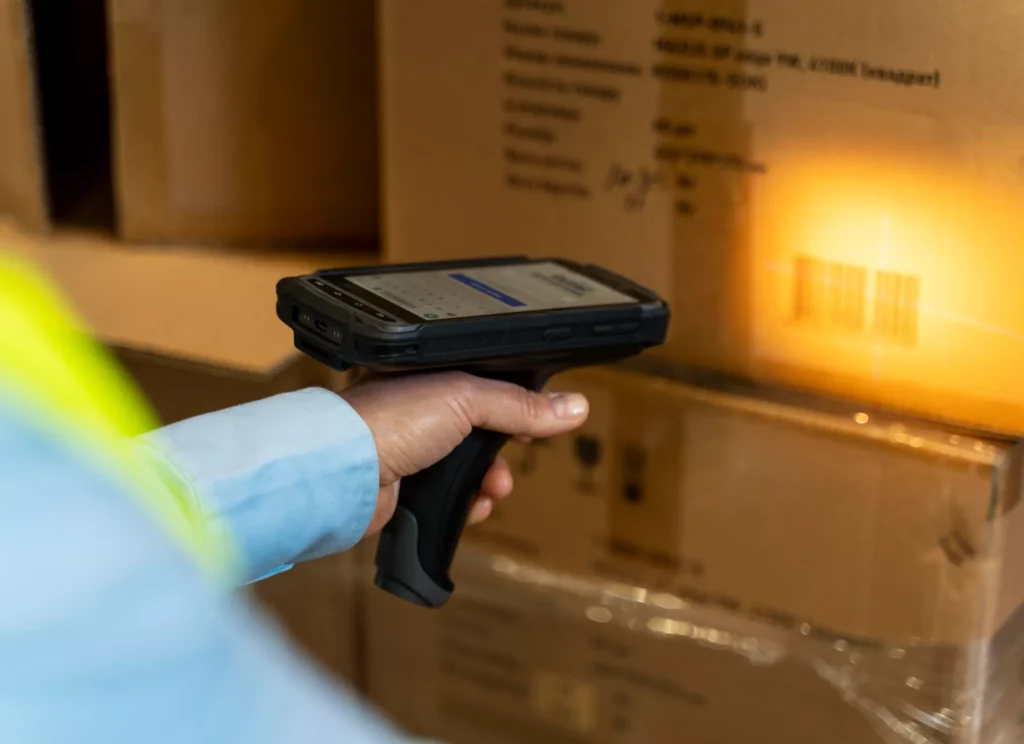
Use data loggers, sensors, or connected devices where appropriate to record temperatures along the journey. Keep documentation, deviation reports, and corrective actions organized to support audits and continuous improvement. [conversation_history:1]
FAQ: Temperature-Controlled Logistics
You can reuse this FAQ on your Temperature-Controlled Logistics, Warehousing, and Logistics pages. [conversation_history:1]
1. What happens if temperature limits are exceeded?
Any temperature excursion should be documented and evaluated based on product stability data and regulations. In some cases, products must be quarantined or discarded; in others, a risk assessment may allow release. Clear SOPs are essential. [conversation_history:1]
2. Do all pharmaceutical products require cold chain?
No. Some medicines require refrigerated or frozen storage, while many others need only controlled ambient conditions. Always follow manufacturer specifications and regulatory guidance for each product. [conversation_history:1]
3. Is insulated packaging enough without refrigerated vehicles?
For small parcels or short journeys, high-quality insulated packaging with appropriate coolants can sometimes maintain temperature on its own. For longer or riskier routes, combining packaging with refrigerated transport is safer. [conversation_history:1]
4. How are temperatures monitored during transport?
Methods include built-in truck or container sensors, standalone data loggers placed with shipments, and IoT devices that transmit real-time data. The choice depends on risk level, product value, and regulatory requirements. [conversation_history:1]
5. Can I mix temperature-controlled and ambient products in the same load?
Sometimes, as long as both product types can safely share the same temperature range and there is proper separation to avoid cross-contamination. Otherwise, separate compartments or dedicated loads are required. [conversation_history:1]
6. How do I estimate costs for temperature-controlled logistics?
Costs depend on required temperature range, packaging type, route length, mode of transport, and monitoring level. Expect higher rates than standard freight, but balance them against product value and risk of loss. [conversation_history:1]
7. How do I get started with temperature-controlled logistics through Direct Pro Logistics?
Begin by sharing your product temperature requirements, volumes, and key lanes through your Temperature-Controlled Logistics, Contact, or Get a Quote page. Direct Pro Logistics can then design a cold chain solution that meets your quality, regulatory, and cost objectives. [conversation_history:1]