
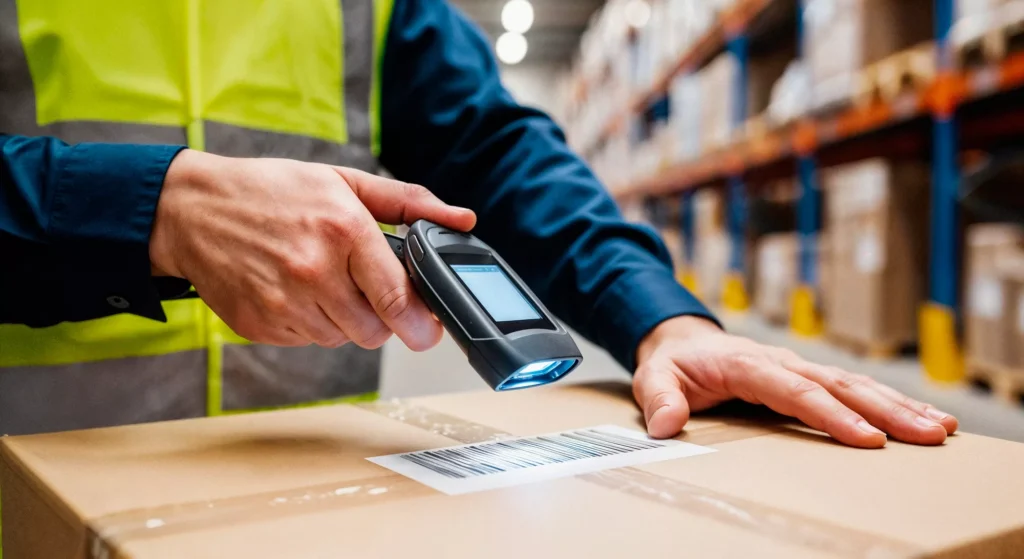
A moving inventory checklist is one of the simplest ways to protect your belongings—because the fastest way to lose items is to rely on memory during a stressful move. When you track what you have, label it consistently, and verify it at delivery, you reduce three risks at once: loss, damage, and “we can’t find it” chaos on day one.
This 2026 guide is built for local, long-distance, and interstate moves. It shows how to build a practical inventory system that takes minutes (not days), how to label boxes so placement is controlled, and how to verify delivery so nothing disappears in the noise of moving day.
Why Inventory Matters More Than People Think
Most moving problems aren’t dramatic—they’re small. A missing box of cables can delay work. A misplaced bag of hardware can block furniture reassembly. Inventory turns “guessing” into a repeatable process: you know what you packed, where it should go, and whether it arrived.
Related Direct Pro Logistics resources you can link internally from this article:
- Ultimate Guide to Choosing the Best Moving Company
- Interstate Moving Guide: Everything You Need to Know
- Professional Packing Services: Is It Worth the Investment?
- Moving and Storage Solutions
The Inventory System That Actually Works (Fast + Practical)
The goal is not to catalog every spoon. The goal is to track boxes and critical item groups so you can verify delivery and find essentials fast. The simplest system is a three-layer structure:
- Layer 1: Box ID (example: K-01 for Kitchen box 1).
- Layer 2: Room + Priority (Open First / Week One / Later).
- Layer 3: Notes (short: “coffee maker + mugs” / “cables + router”).
Box ID template (simple)
- Kitchen: K-01, K-02…
- Bedroom: BR-01, BR-02…
- Living room: LR-01, LR-02…
- Bathroom: BA-01…
- Office: OF-01…
- Storage/garage: G-01…
Service Models: Who Tracks What?
Even if you hire professionals, inventory is still your advantage. It reduces confusion, prevents misplaced boxes, and makes unpacking predictable.
| Move Style | Best Inventory Approach | Your Role | Best Fit |
|---|---|---|---|
| DIY / transport-focused | Full box ID + notes for every box. | Create IDs, label, track load/unload. | Small moves, tight budgets, high control. |
| Hybrid | Box ID + notes for Open First + fragile/high-value. | Track priority boxes and essentials. | Most moves balancing speed and control. |
| Full-service | Box ID + room placement map + delivery verification. | Confirm priorities + verify delivery. | Large moves, time constraints, complex homes. |
Six High-Impact Inventory Moves (Prevent Lost Items)
These six actions prevent the most common inventory failures: unlabeled boxes, missing essentials, mixed-priority chaos, and delivery-day confusion.
Create an “Open First” lane
Designate priority boxes and keep them separate so they don’t get buried in the truck or stacked randomly on arrival.
Use box IDs (room + number)
IDs turn chaos into a checklist: you can verify you got K-01 through K-09 instead of “most of the kitchen boxes.”
Write short contents notes
One line is enough: “router + cables” or “coffee maker + mugs.” It makes finding essentials fast.
Photo your “hardware bags”
Bag and label screws/bolts, then take a quick photo so you know what belongs to what on reassembly.
Stage by room before loading
Room staging reduces missing items because you can visually confirm you got “everything from the bedroom area.”
Do a delivery verification pass
As boxes come in, tick off IDs. This is the fastest way to catch missing items while the move is still “live.”
Moving Inventory Checklist (Before, During, After)
Before moving day
- Create your room codes (K, BR, LR, BA, OF, G).
- Set priority tiers: Open First / Week One / Later.
- Label and number boxes as you pack (don’t wait until the end).
- Start a simple inventory list (Notes app / spreadsheet / paper).
- Set aside a “do not load” kit (documents, meds, valuables).
During loading and transit
- Keep Open First boxes together and clearly visible.
- Confirm fragile/high-value boxes are not stacked under heavy items.
- Do a final sweep: closets, cabinets, drawers, storage areas.
- Keep your inventory list accessible (phone + backup screenshot).
Delivery day and first week
- Check off box IDs as they enter the home.
- Place boxes directly into their rooms to reduce re-handling.
- Open Open First boxes first to stabilize quickly.
- Keep inventory notes until everything is unpacked and accounted for.
Frequently Asked Questions (Moving Inventory)
1) Do you really need an inventory list for a small move?
Yes. Small moves often feel “easy,” which makes people skip labeling and tracking. That’s when essentials go missing and unpacking becomes stressful.
2) What’s the simplest inventory method?
Room code + box number (K-01) plus a one-line note. It’s fast, searchable, and easy to verify at delivery.
3) Should you list every item inside each box?
No. List the category and key items only. The goal is retrieval and verification, not cataloging.
4) What is an “Open First” box?
It’s a priority box containing essentials you need immediately after arrival (chargers, toiletries, basic kitchen/bath items, bedding basics).
5) How do you track hardware for furniture?
Bag hardware per item, label it clearly, and keep bags in a dedicated bin or box. Photos help you remember what belongs to what.
6) What if you’re using professional packing?
Inventory still helps. You can focus on verifying Open First boxes, fragile/high-value items, and room placement for fast stabilization.
7) How do you verify delivery fast?
Check off box IDs as items enter the home. This is the quickest way to catch missing pieces while the move is still active.
8) Where can you learn more about move planning fundamentals?
Start with: Interstate Moving Guide and Choosing the Best Moving Company.
About Direct Pro Logistics
Direct Pro Logistics supports local, long-distance, and interstate moves with a focus on controlled execution, clear communication, and protection-first handling. Learn more at About Us and explore Services.
To plan your move scope and choose the right service level (especially if you have fragile or high-value items), reach out via Contact Us.