
E‑commerce fulfillment services handle the behind‑the‑scenes logistics of your online orders: storing products, picking and packing items, and shipping them to customers. When set up correctly, fulfillment turns your online store into a reliable, scalable operation that can handle growth, seasonality, and multi‑channel sales without overwhelming your team. [conversation_history:1]
This guide explains what e‑commerce fulfillment services include, how the process works, and how a partner like Direct Pro Logistics can support your brand. It is designed for online retailers, DTC brands, and businesses adding e‑commerce to an existing wholesale or retail model. [conversation_history:1]
What Are E-commerce Fulfillment Services?
E‑commerce fulfillment services combine warehousing, inventory management, order processing, and shipping into one integrated operation tailored to online orders. Instead of storing products at your home or office and packing boxes yourself, you send inventory to a fulfillment center where every order is processed automatically as soon as a customer buys from your website or marketplace. [conversation_history:1]
On Direct Pro Logistics, this topic should connect directly to E‑commerce Fulfillment, Warehousing & Distribution, Last Mile Delivery, and Freight Forwarding pages so merchants see how storage, shipping, and delivery work together. [conversation_history:1]
How E-commerce Fulfillment Works
Step 1: Receiving and Storing Inventory
You ship your products in bulk to the fulfillment center, either from your suppliers, manufacturers, or existing warehouses. The team receives the goods, checks quantities and condition, and stores items in bins, shelves, or pallet locations with barcodes so they can be tracked and retrieved quickly. [conversation_history:1]
Step 2: Integrating Your Online Store
Your e‑commerce platforms—such as Shopify, WooCommerce, Amazon, or custom sites—are connected to the fulfillment system so orders flow in automatically. When a customer places an order, the fulfillment center receives the details instantly, including items, quantities, shipping method, and address. [conversation_history:1]
Step 3: Picking, Packing, and Shipping Orders
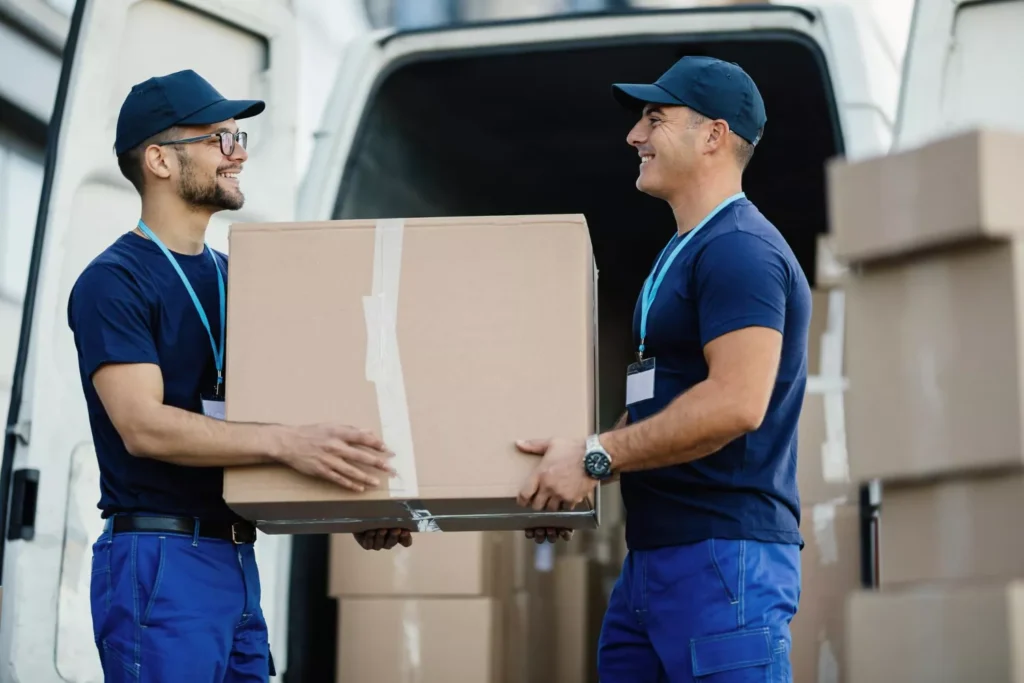
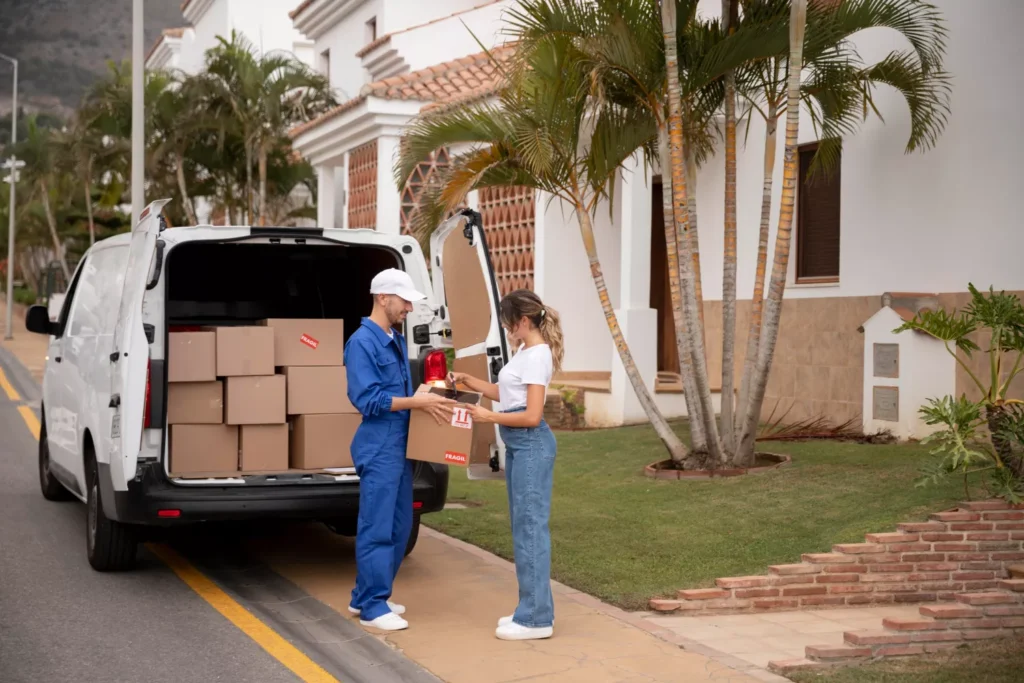
Warehouse staff or automation pick the ordered items from storage locations, scan them to confirm accuracy, and pack them in suitable boxes or mailers with any branded materials you provide. Shipping labels are generated, and parcels are handed off to carrier networks for last mile delivery. Tracking numbers can sync back to your store so customers receive updates automatically. [conversation_history:1]
Step 4: Returns Handling (Reverse Logistics)
When customers return items, the fulfillment center receives and inspects them, decides whether products can be restocked, refurbished, or written off, and updates inventory accordingly. Clear returns workflows help protect your margins while maintaining a good customer experience. [conversation_history:1]
Six Benefits of Professional E-commerce Fulfillment Services
Outsourcing fulfillment to a logistics partner allows online brands to grow faster without getting stuck in daily packing and shipping tasks. The advantages increase as order volumes rise or new sales channels are added. [conversation_history:1]
Faster Order Processing
Dedicated fulfillment teams and optimized layouts help orders ship the same day or next day, supporting competitive delivery promises. [conversation_history:1]
Scalability During Peaks
As volumes spike during holidays, sales campaigns, or product launches, your fulfillment partner can scale labor and shifts without you hiring temporary staff. [conversation_history:1]
Lower Shipping Complexity
Integration with multiple carriers and service levels allows smart selection of shipping options based on price, speed, and destination. [conversation_history:1]
Improved Inventory Visibility
Inventory systems give you real‑time stock levels and movement, reducing overselling, stockouts, and the need for emergency shipments. [conversation_history:1]
Better Customer Experience
Accurate picks, reliable packaging, and on‑time deliveries reduce returns and complaints, leading to better reviews and higher repeat purchase rates. [conversation_history:1]
Focus on Brand and Growth
Outsourcing logistics frees your team to focus on product development, marketing, and customer relationships instead of packing boxes. [conversation_history:1]
Types of E-commerce Fulfillment Models
E‑commerce brands can choose different fulfillment models depending on their size, order volume, and channels. The table below summarizes common options. [conversation_history:1]
| Model | Description | Pros | Best For |
|---|---|---|---|
| In‑House Fulfillment | You store inventory and ship all orders yourself. | Full control; good for very low volumes or early stage brands. | Startups and small sellers testing demand. |
| Third‑Party Logistics (3PL) | A logistics partner like Direct Pro Logistics stores inventory and ships orders for you. | Scalable, professional operations, access to better carrier rates. | Growing brands with consistent or seasonal volumes. |
| Marketplace Fulfillment | Platforms (e.g., large marketplaces) handle storage and shipping for their own orders. | Prime‑style delivery options, marketplace trust; simplified logistics for that channel. | Brands heavily focused on specific marketplaces. |
| Hybrid Fulfillment | Combination of in‑house, 3PL, and/or marketplace fulfillment. | Flexible, allows experimentation and channel‑specific optimization. | Multi‑channel brands balancing cost, control, and speed. |
On Direct Pro Logistics, this section can guide merchants toward your E‑commerce Fulfillment, Warehousing & Distribution, and Last Mile Delivery pages. [conversation_history:1]
How to Design an E-commerce Fulfillment Strategy
Understand Your Order Profile
Analyze average order size, item count per order, most popular SKUs, and peak seasons. This helps determine storage needs, picking methods, and staffing plans that fit your business instead of using a one‑size‑fits‑all approach. [conversation_history:1]
Define Service Levels and Shipping Options
Decide which delivery promises you want to offer: standard, express, economy, or free shipping above certain thresholds. Your fulfillment partner can then align cut‑off times, carrier selection, and packaging to support these promises profitably. [conversation_history:1]
Integrate Systems and Reporting
Make sure your online store, inventory system, and fulfillment center share accurate data in real time. Dashboards and regular reports on inventory, order cycle time, and error rates help you refine your operations and marketing decisions. [conversation_history:1]
FAQ: E-commerce Fulfillment Services
You can reuse this FAQ on your E‑commerce Fulfillment, Warehousing & Distribution, and Logistics pages. [conversation_history:1]
1. When should I move from in‑house to outsourced fulfillment?
Many brands switch when daily order volume makes packing and shipping a full‑time job, when errors and delays increase, or when space and staffing become constraints. Outsourcing earlier can also free up time for growth activities. [conversation_history:1]
2. Can I use e‑commerce fulfillment for both B2C and B2B orders?
Yes. A flexible fulfillment partner can handle small parcel B2C orders and larger B2B or wholesale shipments from the same inventory, using different packing and shipping workflows for each channel. [conversation_history:1]
3. How are shipping rates determined?
Shipping rates depend on package weight and dimensions, destination, service level, and carrier agreements. Fulfillment providers often negotiate better rates due to volume and can help you choose the right mix of speed and cost. [conversation_history:1]
4. Can I use my own branded packaging?
In most cases, yes. You can supply branded boxes, tissue paper, inserts, or marketing materials to be used in every order. This keeps your unboxing experience consistent even when fulfillment is outsourced. [conversation_history:1]
5. How are returns handled in e‑commerce fulfillment?
Returns are sent back to the fulfillment center, where they are inspected and processed according to your policy. Items that pass inspection can be restocked, while damaged or unsellable items are handled separately and tracked for reporting. [conversation_history:1]
6. Do I lose control if I outsource fulfillment?
You shift daily operations to a specialist, but you keep control through clear SLAs, reporting, and regular communication. Good partners provide transparency into inventory, orders, and performance so you can make informed decisions. [conversation_history:1]
7. How do I get started with e‑commerce fulfillment through Direct Pro Logistics?
Begin by sharing your product catalog, order volumes, and target delivery promises through your E‑commerce Fulfillment, Contact, or Get a Quote page. Direct Pro Logistics can then design a fulfillment solution that aligns with your brand, budget, and growth plans. [conversation_history:1]