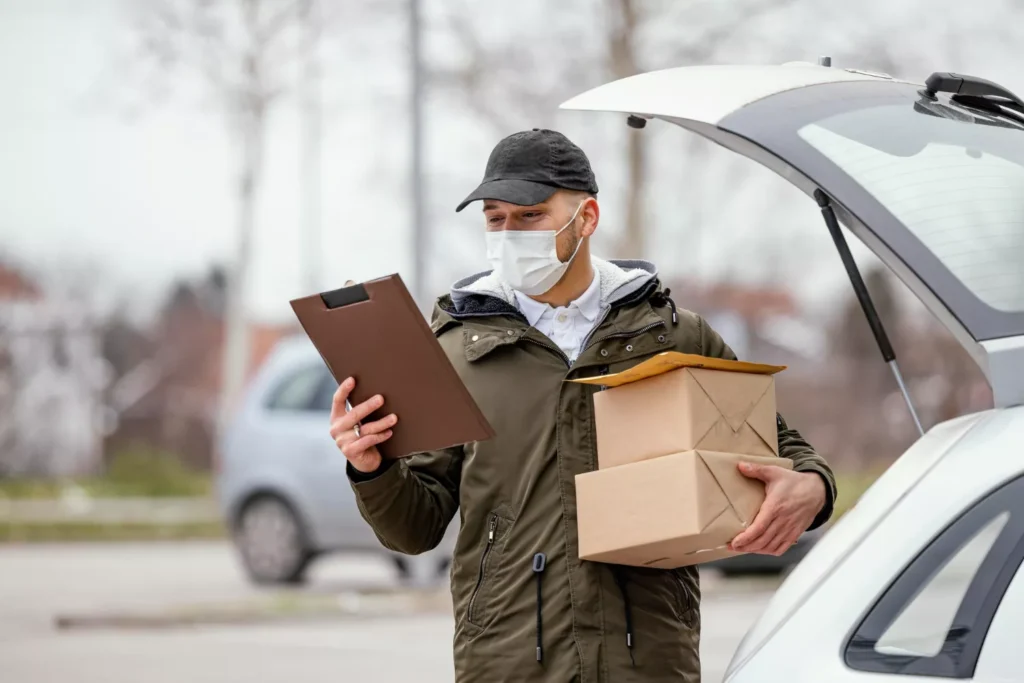
Last mile delivery solutions focus on the final step of the logistics journey: getting an order from a local hub or distribution center to the customer’s door. This “last mile” is often the most visible part of the delivery process for customers and can also be one of the most expensive and complex stages for businesses.
This guide explains what last mile delivery is, why it matters, common challenges, and how providers like Direct Pro Logistics can optimize the final delivery step. Use it to educate shippers, e‑commerce brands, and retailers about your capabilities and value.
What Is Last Mile Delivery?
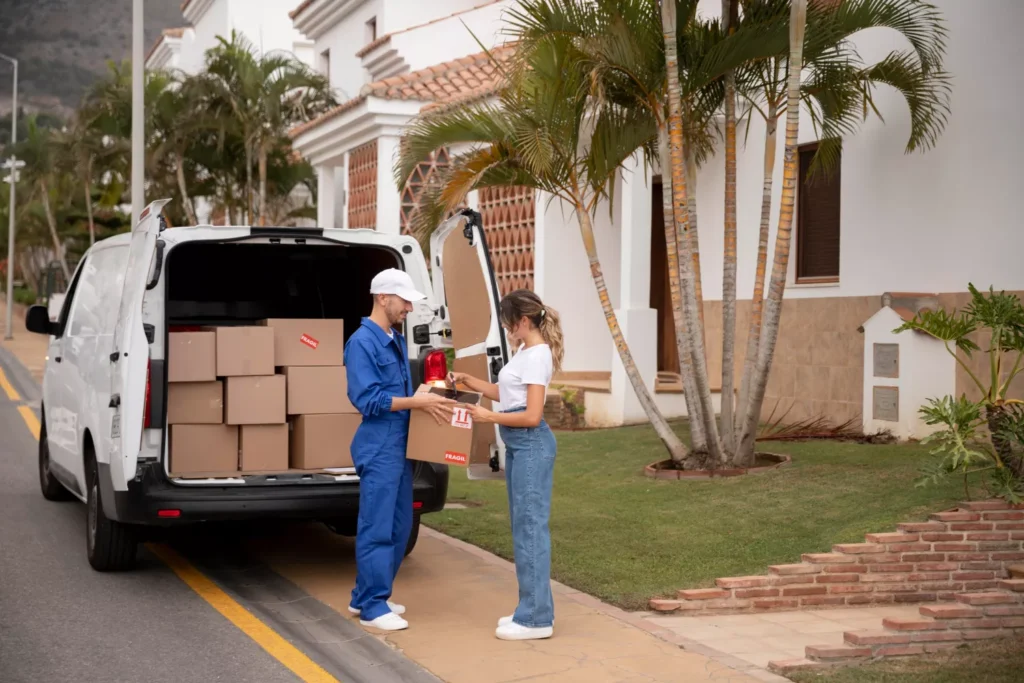
Last mile delivery is the movement of goods from a local hub, store, or terminal to the shipment’s final destination, typically a home or business address. It is where customers actually meet your brand, whether through the driver’s professionalism, delivery time, or how well the shipment arrives.
On Direct Pro Logistics, this topic should connect directly to pages like Last Mile Delivery, E‑commerce Fulfillment, Warehousing & Distribution, and Freight Forwarding so visitors see last mile as part of an integrated logistics solution.
Why Last Mile Delivery Matters
Even if your upstream logistics are efficient, a poor last mile experience can damage customer satisfaction and repeat business. At the same time, last mile delivery is often the most expensive part of the shipping process on a per‑package basis because it involves many stops, traffic, and variable addresses.
- It directly influences delivery speed, reliability, and on‑time performance.
- It shapes customer perceptions of your brand and service quality.
- It can represent a large share of total logistics costs, especially in B2C and e‑commerce.
For businesses, optimizing last mile delivery is about balancing cost, speed, visibility, and flexibility in a way that matches customer expectations and margins.
Core Components of Last Mile Delivery Solutions
Order Consolidation and Local Staging
Before last mile deliveries go out, orders are consolidated at a local hub, depot, or store. This allows routes to be planned efficiently and vehicles to be loaded in a way that matches delivery sequences and time windows.
For Direct Pro Logistics, this staging often connects to your warehousing and distribution or cross‑docking capabilities, where inbound freight is sorted and prepared for local delivery runs.
Route Planning and Optimization
Route planning tools group deliveries by geography, time commitments, and vehicle type to reduce total miles driven and delivery time. Smart routing minimizes backtracking, accounts for traffic patterns, and helps meet promised delivery windows.
Delivery Execution and Proof of Delivery
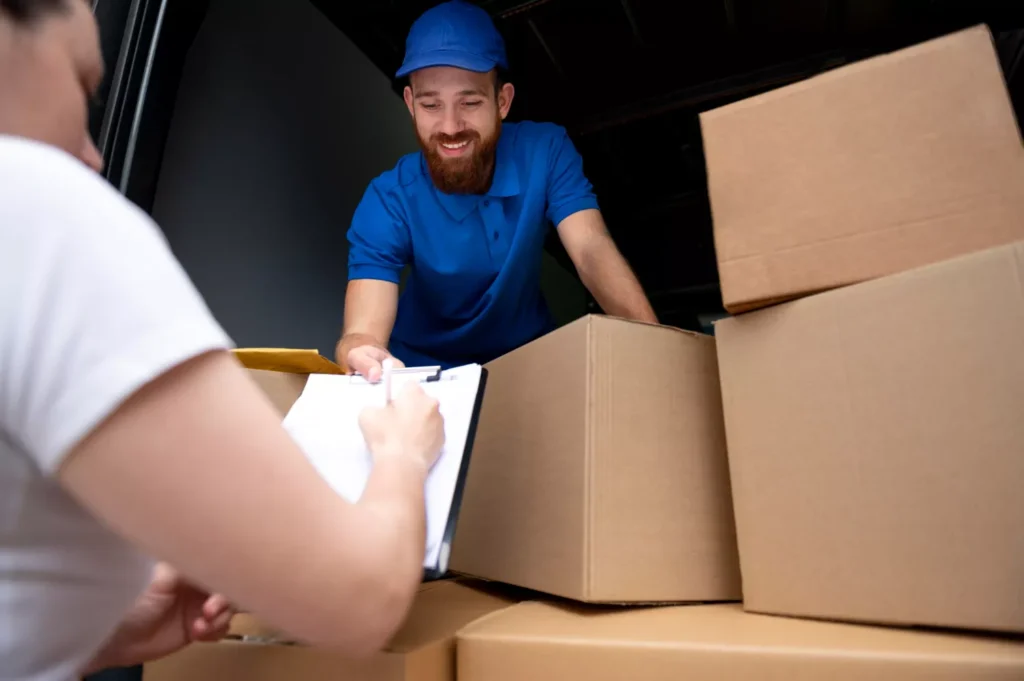
Drivers execute the planned routes, handle packages, and interact with customers at the door. Modern last mile solutions typically include electronic proof of delivery (ePOD) such as signatures, photos, or barcode scans so shippers can verify completion and resolve issues quickly.
Integrating this data with customer service and tracking tools helps you offer real‑time updates and transparent communication to end customers.
Six Benefits of Professional Last Mile Delivery Solutions
Using a dedicated last mile logistics provider is often more efficient than trying to build and manage your own fleet and routing from scratch. The benefits extend across cost, service level, and scalability.
Improved Delivery Speed
Optimized routes and local staging help reduce lead times and support same‑day or next‑day delivery options in many areas.
Better Customer Experience
Reliable time windows, proactive notifications, and courteous drivers increase satisfaction and repeat purchases.
Cost Control
Shared networks, consolidated stops, and professional route planning help reduce the cost per delivery compared to ad‑hoc methods.
Scalability
As volumes grow seasonally or year over year, a specialist provider can scale fleet and staffing without you expanding your own assets.
Visibility and Control
Tracking tools and proof‑of‑delivery data give your operations and customer service teams clear visibility into each shipment’s status.
Focus on Core Operations
Outsourcing the final mile lets your team focus on sales, merchandising, and inventory instead of routing and vehicle management.
Types of Last Mile Delivery Models
Not every brand needs the same last mile setup. The best model depends on shipment size, delivery density, and customer expectations.
| Model | Description | Pros | Best For |
|---|---|---|---|
| Dedicated Fleet | Your own vehicles and drivers handle all last mile deliveries. | Full control over branding and service; consistent processes. | High, stable volumes in defined regions. |
| Outsourced Last Mile | A logistics partner like Direct Pro Logistics handles deliveries. | Lower capital investment; scalable capacity; professional routing. | Brands that want flexibility and fast geographic expansion. |
| Hybrid Model | Combination of internal fleet and external partners. | Balances control and flexibility; useful for peaks and new markets. | Growing retailers and e‑commerce businesses. |
| Store‑Based / Click‑and‑Collect | Customers pick up orders in store or at pickup points. | Reduces delivery costs; offers convenience for local customers. | Retailers with physical locations and strong local presence. |
On Direct Pro Logistics, this section can help visitors choose the model that fits their needs and push them toward your Last Mile Delivery, E‑commerce Fulfillment, and Warehousing & Distribution pages.
How to Improve Your Last Mile Delivery Performance
Clarify Service Levels and Promises
Start by defining clear delivery promises for different products and customer segments: same‑day, next‑day, standard, or economy. Align marketing, sales, and operations so expectations match what the logistics network can actually deliver.
Use Data for Route and Network Optimization
Analyze delivery density, failure reasons, and peak times to refine routes, time windows, and hub locations. Over time, this data helps you reduce failed deliveries, shorten routes, and decide where additional micro‑fulfillment or cross‑dock facilities make sense.
Communicate Clearly with End Customers
Provide tracking links, real‑time status updates, and narrow delivery windows whenever possible. If issues arise, proactive communication and simple rescheduling options can turn a potential complaint into a positive experience.
FAQ: Last Mile Delivery Solutions
You can reuse this FAQ on your Last Mile Delivery, E‑commerce Fulfillment, and Warehousing & Distribution pages.
1. Why is last mile delivery so expensive?
Last mile delivery involves many stops, variable addresses, traffic, and sometimes low delivery density in certain areas. These factors increase time and cost per package compared to long‑haul transport, where vehicles travel full and on more direct routes.
2. What industries rely heavily on last mile delivery?
E‑commerce, retail, grocery, healthcare, and home services rely heavily on last mile networks. Any business that delivers directly to homes or offices benefits from optimized last mile solutions.
3. Can I offer same‑day or next‑day delivery with an outsourced partner?
Yes, in many regions. It depends on order cut‑off times, inventory locations, and network design. A partner like Direct Pro Logistics can help you design service levels and routes that make fast delivery economically viable.
4. How do failed deliveries affect costs?
Failed deliveries lead to re‑delivery attempts, customer service time, and sometimes returns or write‑offs. Reducing failed deliveries through better communication, time windows, and address validation directly improves last mile profitability.
5. Can last mile delivery be branded with my company identity?
Yes. Depending on your agreement, vehicles, uniforms, and customer communications can use your branding even when an outsourced partner handles operations. This lets you keep a strong brand presence without running your own fleet.
6. How does last mile delivery integrate with warehousing and freight?
Inbound freight and warehousing position inventory close to customers. Last mile solutions then move orders from those local nodes to the final address. Using one provider for warehousing, line‑haul, and last mile simplifies coordination and improves visibility.
7. How do I get started with last mile delivery through Direct Pro Logistics?
Begin by sharing your order volumes, delivery areas, and service level expectations through your Last Mile Delivery, Contact, or Get a Quote page. From there, Direct Pro Logistics can propose routes, capacity plans, and pricing tailored to your business.